
How to Choose a Suitable Solenoid Valve?
I see this happen all the time.
You need a valve. You hop online, find one that fits your pipe size, check the price, and hit "Buy." Two days later, you install it, wire it up, and... nothing. It just clicks but doesn't open. Or maybe it opens, but burns out a week later.
It’s frustrating, and it’s usually avoidable.
Solenoid valves aren't "one size fits all." A valve designed for a high-pressure car wash will fail miserably on a rain barrel. To save you the headache of returns and reinstallations, here are the 5 actual specs you need to look at—beyond just the price tag.
1. Voltage: Watch Out for the "Buzz"
Obviously, you need to match your power source (12V DC, 110V AC, etc.). But here’s what the product descriptions often don't tell you:
- AC vs. DC matters: AC valves are strong but can be noisy (that annoying hum). If an AC valve gets stuck open—even slightly—the coil can draw massive current and burn out in minutes. DC valves run cooler and quieter but are sensitive to voltage drops.
- Check your wires: If you are running long wires to a 12V valve, you might lose voltage along the way. If only 10V reaches the valve, it might not have the muscle to open.
2. Port Size vs. The "Real" Hole (Cv Value)
Don’t get tricked by the thread size.
You might buy a valve with big 1-inch threads, assuming you’ll get a massive flow of water. But if you look inside, the actual internal opening (the orifice) might be tiny. It’s like putting a fire hose nozzle on a drinking straw.
The fix: Look for the Cv Value (Flow Coefficient) in the specs. This number tells you the true flow capacity.
- Low Cv: High resistance, trickle flow.
- High Cv: Low resistance, high flow.
If flow matters to your project, ignore the thread size and look at the Cv.
3. Pressure: The "Gravity Feed" Trap
This is the #1 reason people return valves.
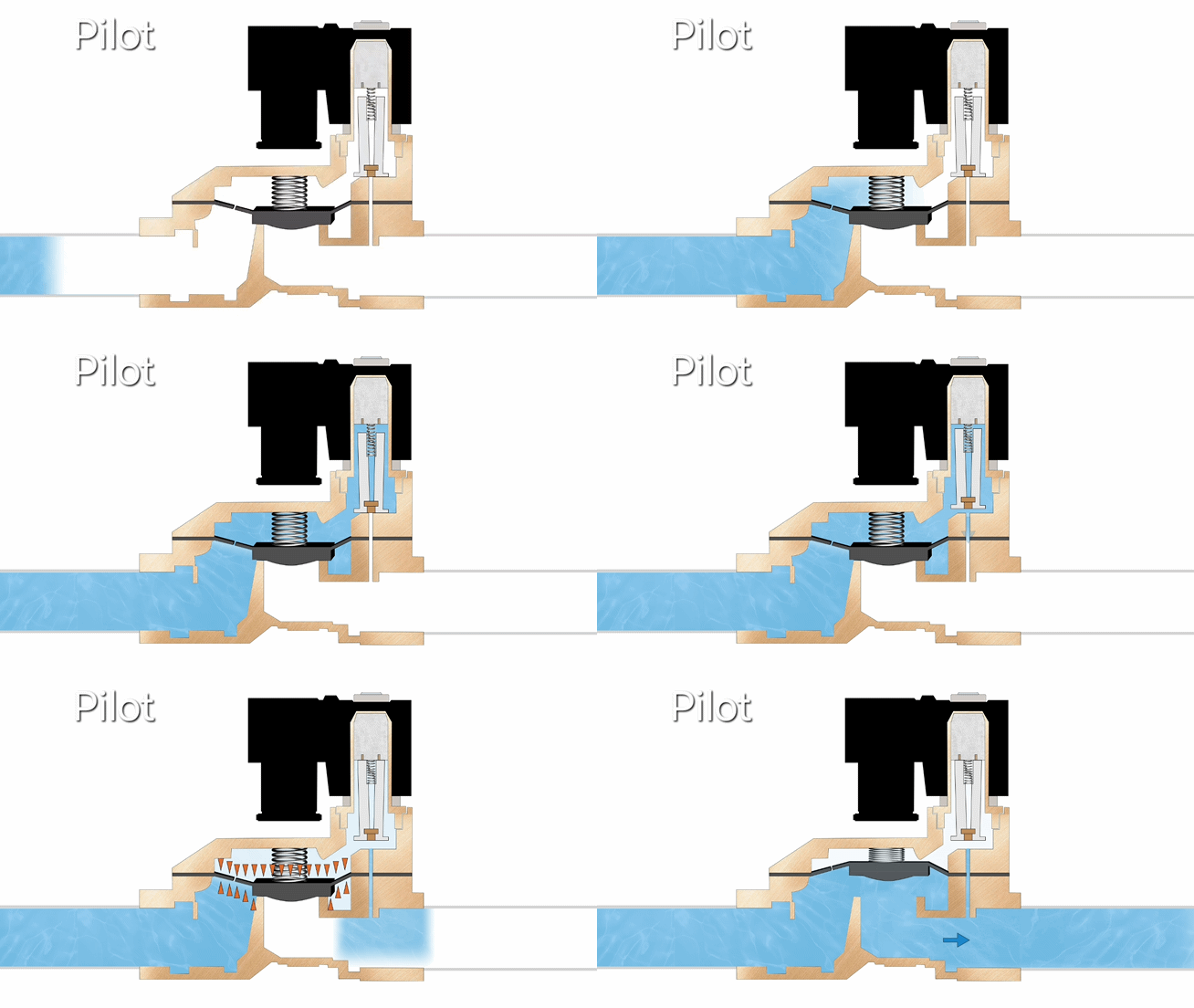
- Pilot Operated Valves: These are common and cheap. But they need the water's own pressure (usually at least 3-5 psi) to push the diaphragm open. If you are draining a tank by gravity, these will not work. You will hear a click, but no water will come out.
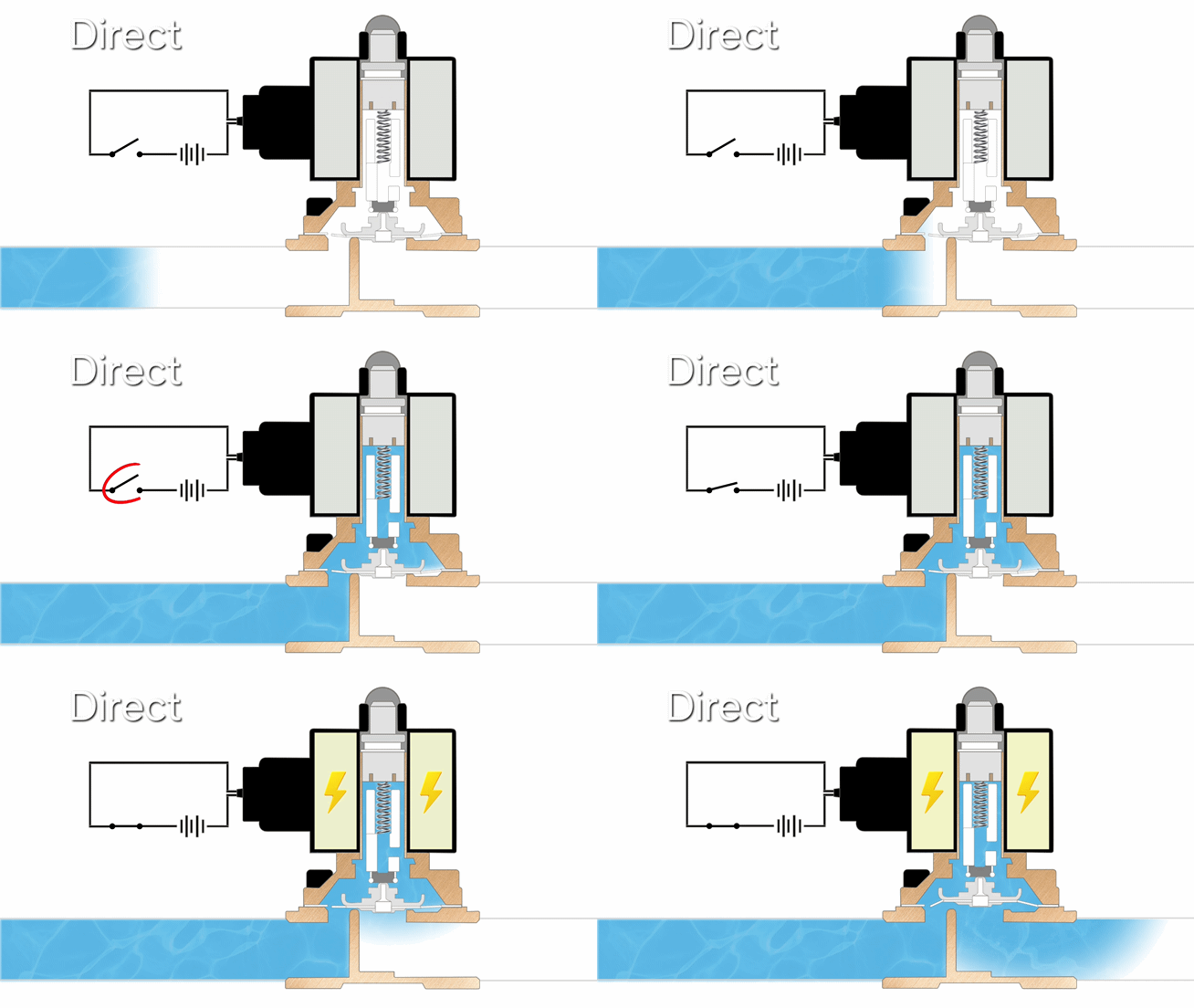
- Direct Acting Valves: These use the coil's raw power to lift the seal. They work at zero pressure.
Rule of thumb: If you don't have a pump pressurizing the line, you generally need a Direct Acting valve.
4. Material: Don't Let Your Valve Get Eaten
Water is easy. But if you are moving anything else, the material makes or breaks the project.
- The Body: Brass is great for water and air. But for anything corrosive or food-grade, spend the extra money on Stainless Steel.
-
The Seals (The weak link): This is where leaks start.
-
- NBR (Nitrile): Standard rubber. Good for water, bad for gasoline.
- Viton: The pro choice. Handles chemicals and fuel much better.
- EPDM: Great for hot water, but oil will dissolve it.
- Check a compatibility chart before you buy.
5. Temperature & Thickness
Heat kills solenoids. If you are running steam or boiling water through a standard valve, the rubber seals will melt, and the coil will overheat. You need high-temp seals (like PTFE/Teflon).
Also, consider the fluid's thickness (viscosity). Solenoids are designed for thin liquids like water or air. If you try to control thick oil, maple syrup, or grease, the plunger is going to get stuck. For thick stuff, you're better off with a Motorized Ball Valve.
Get the Right Part the First Time
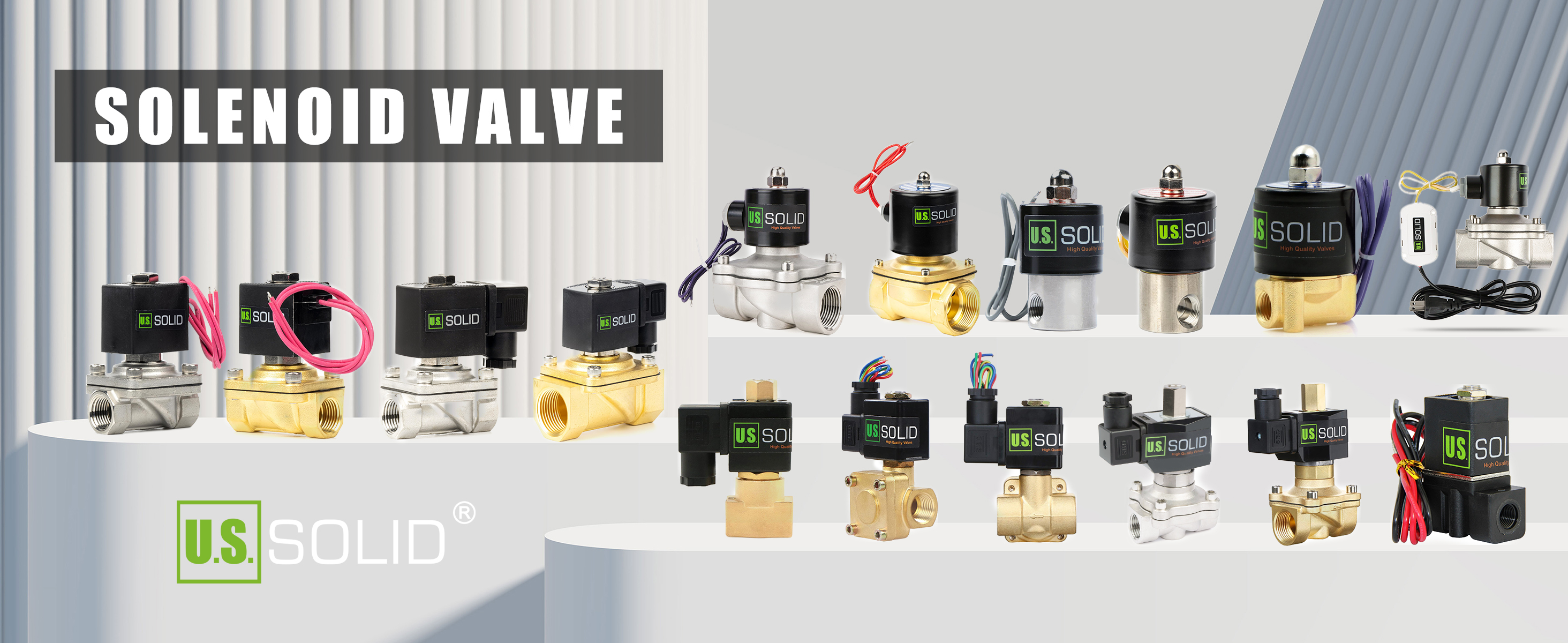
At U.S. Solid, we’ve helped thousands of customers fix these exact problems. We don't just sell boxes; we know what’s inside them.
Whether you need a Direct Acting valve for your gravity setup, a Motorized Ball Valve for a zero-loss flow, or a specific Stainless Steel unit for a chemical line, we have it in stock.
Stop guessing with random parts. Check out the U.S. Solid store to find industrial-grade valves that actually fit your job.