
Solenoid vs. Motorized Ball Valves: Which one to choose?
Εάν κοιτάτε ένα έργο—ίσως ένα σύστημα άρδευσης, μια πλατφόρμα ζυθοποίησης ή μια προσαρμοσμένη εργοστασιακή εγκατάσταση—και αναρωτιέστε αν θα αγοράσετε μια Ηλεκτρομαγνητική βαλβίδα ή μια Μηχανοκίνητη σφαιρική βαλβίδα, δεν είστε μόνοι.
Βλέπω αυτή τη συζήτηση συνέχεια στα φόρουμ. Οι άνθρωποι συχνά ρωτούν: "Είναι η μία καλύτερη από την άλλη;"
Η ειλικρινής απάντηση; Όχι. Είναι απλώς... διαφορετικά. Σαν να συγκρίνουμε έναν σπρίντερ με έναν μαραθωνοδρόμο. Αν επιλέξετε το λάθος, μπορεί να καταλήξετε με καμένα πηνία, μπερδεμένα καλώδια ή χτυπήματα σωλήνων. Αλλά επιλέξτε το σωστό για τη σωστή δουλειά και θα διαρκέσει για χρόνια.
1. Η Ηλεκτρομαγνητική Βαλβίδα: Η "Sprinter"
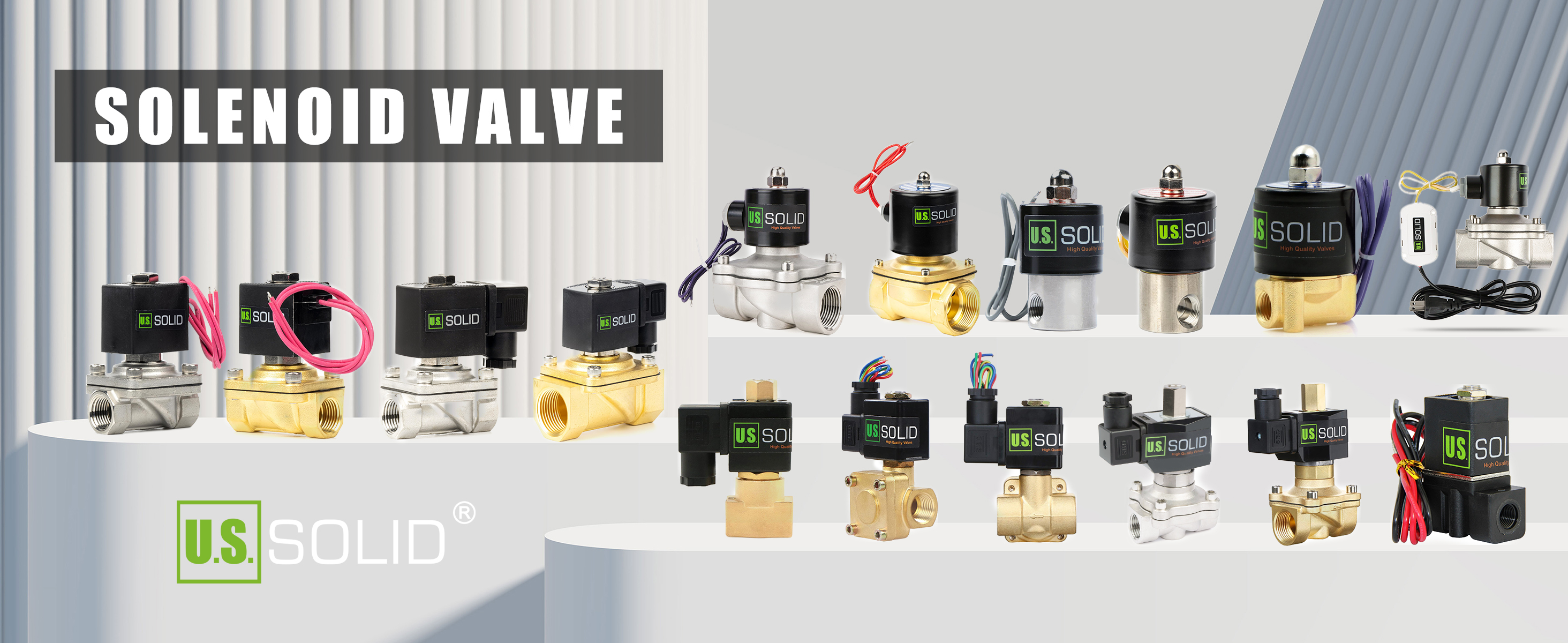
Σκεφτείτε μια ηλεκτρομαγνητική βαλβίδα ως τον αθλητή υψηλής απόδοσης στον κόσμο των βαλβίδων. Χρησιμοποιεί ένα μαγνητικό πηνίο για να ανοίγει ή να κλείνει αμέσως ένα έμβολο.
Γιατί τις αγαπούν οι άνθρωποι (Τα πλεονεκτήματα):
- Ταχύτητα: Είναι γρήγορες. Δηλαδή, χιλιοστά του δευτερολέπτου γρήγορα. Εάν γεμίζετε φιάλες σε έναν ιμάντα μεταφοράς και πρέπει να σταματήσετε ακριβώς στις 12,5 ουγγιές, μια ηλεκτρομαγνητική βαλβίδα είναι η μόνη επιλογή.
- Ασφάλεια σε περίπτωση βλάβης: Αυτό είναι τεράστιο. Οι περισσότερες ηλεκτρομαγνητικές βαλβίδες είναι "Κανονικά Κλειστές". Εάν κοπεί το ρεύμα, ένα ελατήριο κλείνει αμέσως τη βαλβίδα. Κρίσιμο για γραμμές αερίου ή χημικών.
- Απλότητα καλωδίωσης: Συνήθως μόνο δύο καλώδια. Ενεργοποίηση = Άνοιγμα. Απενεργοποίηση = Κλείσιμο. Απλή σύνδεση σε έξυπνη πρίζα ή χρονοδιακόπτη.
Τα μειονεκτήματα (Τα μειονεκτήματα):
- Θερμότητα: Επειδή χρειάζονται συνεχή ισχύ για να καταπολεμήσουν το ελατήριο, το πηνίο δημιουργεί θερμότητα. Μια ηλεκτρομαγνητική βαλβίδα που λειτουργεί για ώρες θα θερμανθεί στην αφή. Είναι φυσιολογικό, αλλά τρομάζει τους αρχάριους.
-
Το "Κλώτσημα" (Σφυρί Νερού): Επειδή κλείνουν αμέσως, μπορούν να προκαλέσουν ένα δυνατό "χτύπημα" στους σωλήνες σας, ενδεχομένως να προκαλέσουν ζημιά στις αρθρώσεις με την πάροδο του χρόνου.
2. Η μηχανοκίνητη σφαιρική βαλβίδα: Ο "Δρομέας Μαραθωνίου"
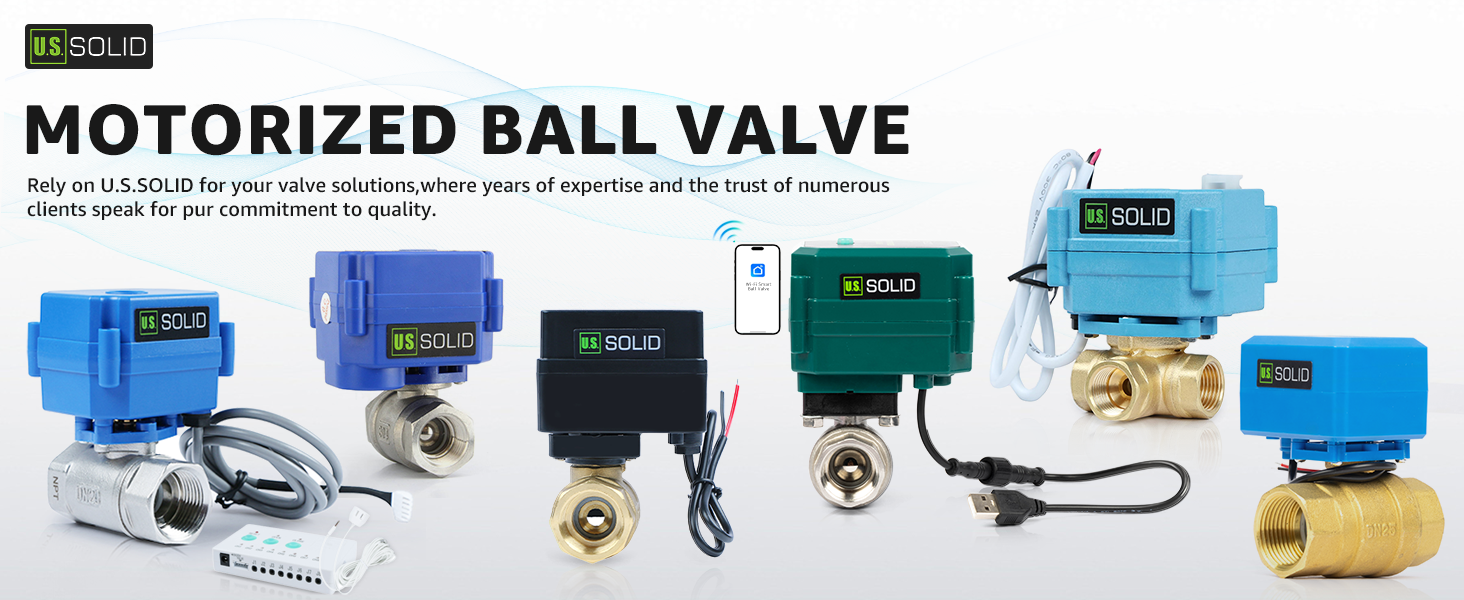
Μια μηχανοκίνητη σφαιρική βαλβίδα είναι απλώς μια τυπική σφαιρική βαλβίδα με ένα μικρό κινητήρα συνδεδεμένο. Όταν γυρίζετε τον διακόπτη, ο κινητήρας γυρίζει αργά την μπάλα κατά 90 μοίρες.
Γιατί τα αγαπούν οι άνθρωποι (Τα πλεονεκτήματα):
- Δροσερά και αποδοτικά: Χρησιμοποιούν ηλεκτρική ενέργεια μόνο για τα λίγα δευτερόλεπτα που κινούνται. Μόλις ανοιχτούν, κοιμούνται. Μπορούν να παραμείνουν ανοιχτά για μέρες και να παραμείνουν παγωμένα.
- Πλήρης ροή: Όταν είναι ανοιχτά, είναι ουσιαστικά ένας ευθύς σωλήνας. Μηδενική απώλεια πίεσης. Ιδανικό για συστήματα που τροφοδοτούνται με βαρύτητα (όπως βαρέλια βροχής).
- Απαλό κλείσιμο: Το κλείσιμο σε 3-5 δευτερόλεπτα αποτρέπει το υδραυλικό πλήγμα, διατηρώντας τις υδραυλικές εγκαταστάσεις του σπιτιού σας αθόρυβες.
Τα μειονεκτήματα:
- Είναι αργά: Χρειάζεστε άμεση διακοπή; Δεν είναι αυτός ο τύπος που σας ταιριάζει.
-
Πολυπλοκότητα καλωδίωσης: Ενώ υπάρχουν εκδόσεις "Αυτόματης επιστροφής" 2 καλωδίων, πολλά βιομηχανικά μοντέλα έχουν 3 καλώδια (Άνοιγμα, Κλείσιμο, Κοινά) ή ακόμα και 5 καλώδια για σήματα ανάδρασης. Πρέπει να επαληθεύσετε ότι ο ελεγκτής σας τα υποστηρίζει.
3. Το "Φυλλάδιο με τις συμβουλές" για τη λήψη αποφάσεων
| Σενάριο | Νικητής | Γιατί; |
|---|---|---|
| «Πρέπει να ποτίσω τον κήπο μου για 2 ώρες.» | Μηχανοκίνητο | Δεν υπερθερμαίνεται και εξοικονομεί ηλεκτρική ενέργεια. |
| «Γεμίζω μπουκάλια με ακριβείς ποσότητες.» | Σωληνοειδές | Χρειάζεστε αυτή την άμεση ακρίβεια σταματήματος και εκκίνησης. |
| "Εγκαθιστώ μια κύρια παροχή νερού." | Μηχανοκίνητο | Υψηλή ροή (πλήρης διάμετρος) και σωλήνες χωρίς χτυπήματα. |
| «Εάν διακοπεί το ρεύμα, η ροή ΠΡΕΠΕΙ να σταματήσει.» | Σωληνοειδές | Η ενσωματωμένη επαναφορά ελατηρίου είναι η ασφαλέστερη επιλογή. |
Ακόμα δεν είστε σίγουροι; Αφήστε το U.S. Solid να σας βοηθήσει.
Καταλαβαίνουμε ότι κάθε έργο είναι μοναδικό. Γι' αυτό διαθέτουμε μια τεράστια ποικιλία και των δύο τύπων.
Είτε χρειάζεστε μια ηλεκτρομαγνητική βαλβίδα από ανοξείδωτο χάλυβα για μια καθαρή εμφάνιση είτε μια βαρέως τύπου ηλεκτροκίνητη βαλβίδα για ένα έργο οικιακού αυτοματισμού, έχουμε το υλικό που μπορείτε να εμπιστευτείτε.