
Water Pump Connections Leaking? Practical Tips for a Secure Setup
A water pump may run normally while its connections leak, restrict flow, or allow a hose to slip off. Before blaming the pump, check the fittings, hose sizes, sealing method, and installation. A few connection details can make a big difference.
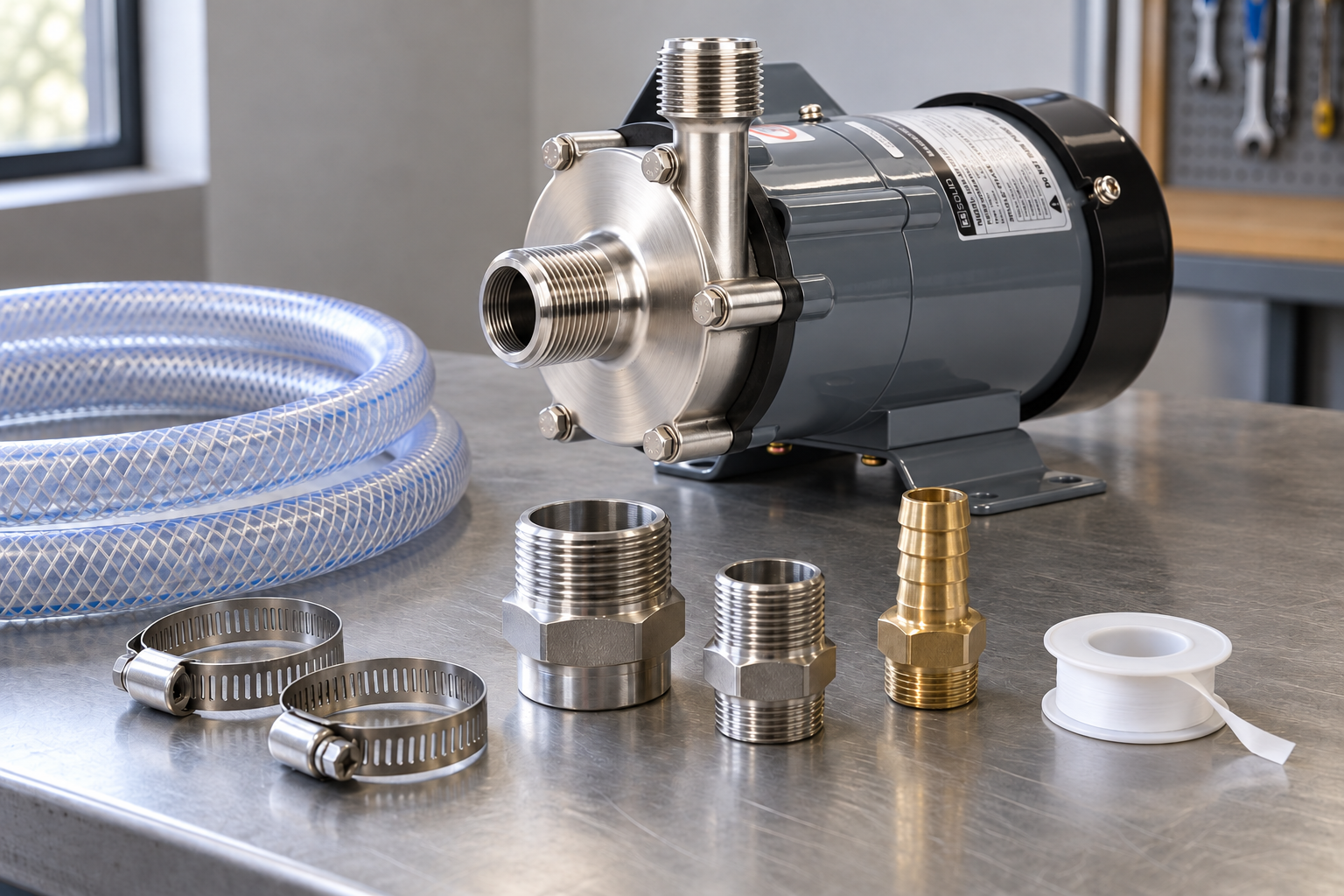
01Use the Right Sealing Method
Not every threaded connection needs PTFE tape.
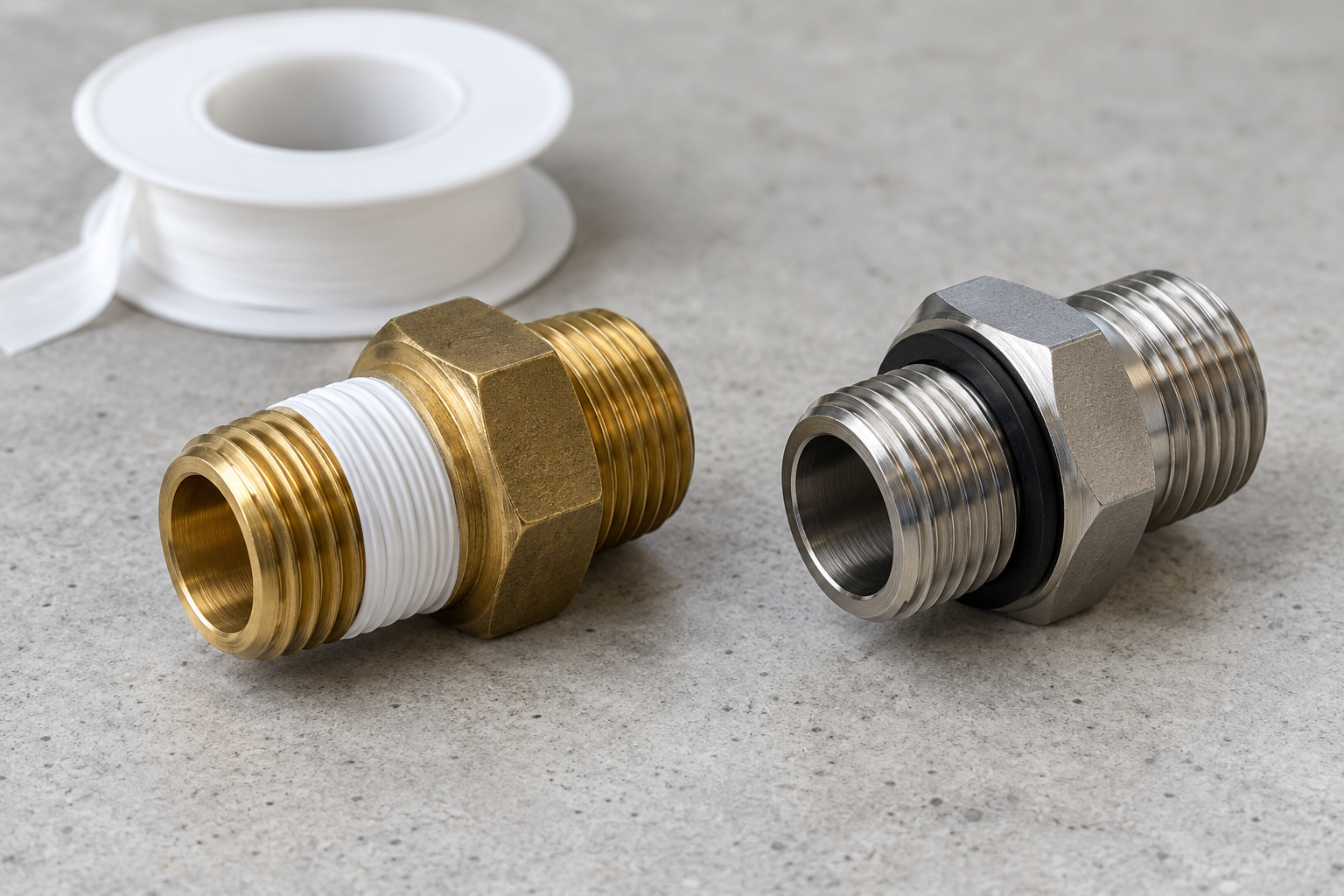
NPT threads are tapered and normally require compatible PTFE tape or pipe-thread sealant to seal the gaps between threads.
G threads (BSPP) are parallel and generally seal with a washer, O-ring, or another designed sealing surface. Adding tape does not replace a missing or damaged seal.
Always match thread standards and sizes. Two fittings that partially screw together are not necessarily compatible.
02Tighten Correctly, Not Excessively
Loose joints can leak, but overtightening can damage threads, crush seals, or crack a port.
Start threaded fittings by hand to check alignment, then tighten according to the given instructions. If a fitting binds immediately, stop and check it.
Where PTFE tape is required, clean the male threads, wrap in the tightening direction, and keep tape away from the leading end. Do not let loose tape enter the water passage.
03Choose Suitable Hose and Pipe Sizes
Avoid building a flow path from repeated narrow sections, oversized connectors, and unnecessary adapters.
Small passages and extra fittings add resistance and can reduce flow. A larger hose farther downstream does not eliminate an upstream restriction. Different pipe sizes are acceptable when properly selected and connected; a diameter change alone does not prove pressure instability.
Follow the pump’s piping requirements and keep the inlet short and direct.
04Prevent Hoses from Slipping Off
A hose that feels secure with the pump off may pull free during operation.
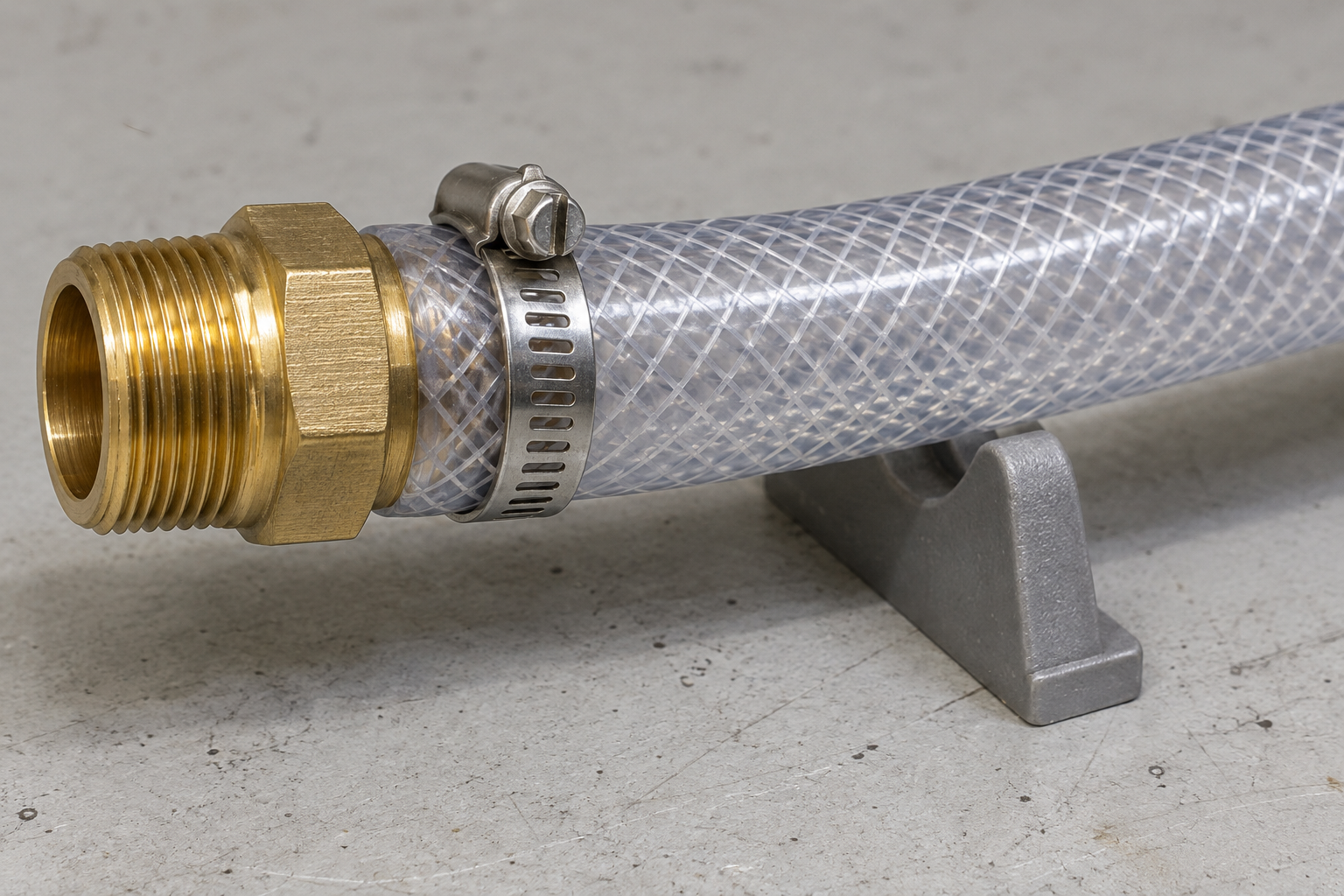
Match the hose’s inside diameter to the fitting, insert it fully, and use the specified clamp or retention system. Confirm that the complete assembly is rated for the liquid, temperature, and pressure.
Support hoses so their weight does not pull on connections. Do not use PTFE tape around a hose barb to compensate for a loose fit.
05Check Air Leaks and Pressure Surges
An inlet joint can draw air without visibly dripping water, causing priming or flow problems. Check inlet connections if flow is weak or inconsistent.
Abrupt valve closure can also create a pressure surge called water hammer. However, a detached hose may result from poor retention or mismatched parts rather than a surge.