
How to Choose the Right Waterproof Rating for Your Solenoid Valve?
What is a Solenoid Valve?
A solenoid valve is an electro-mechanical device that controls the flow of fluids or gases through a system by using an electromagnetic coil. It consists of a solenoid coil, a plunger, and a valve body. When the coil is energized, it creates a magnetic field that moves the plunger to open or close the valve.
From industrial automation to water management, these valves are essential. However, the environment they operate in varies wildly. The primary threat to a valve's longevity is moisture getting into the coil. This is where IP Ratings come in.
Understanding IP Ratings (Ingress Protection)
An IP rating consists of two digits (e.g., IP65). The first digit indicates protection against solids (dust), and the second digit indicates protection against liquids (water).
| Rating | Water Protection | Best Used For |
|---|---|---|
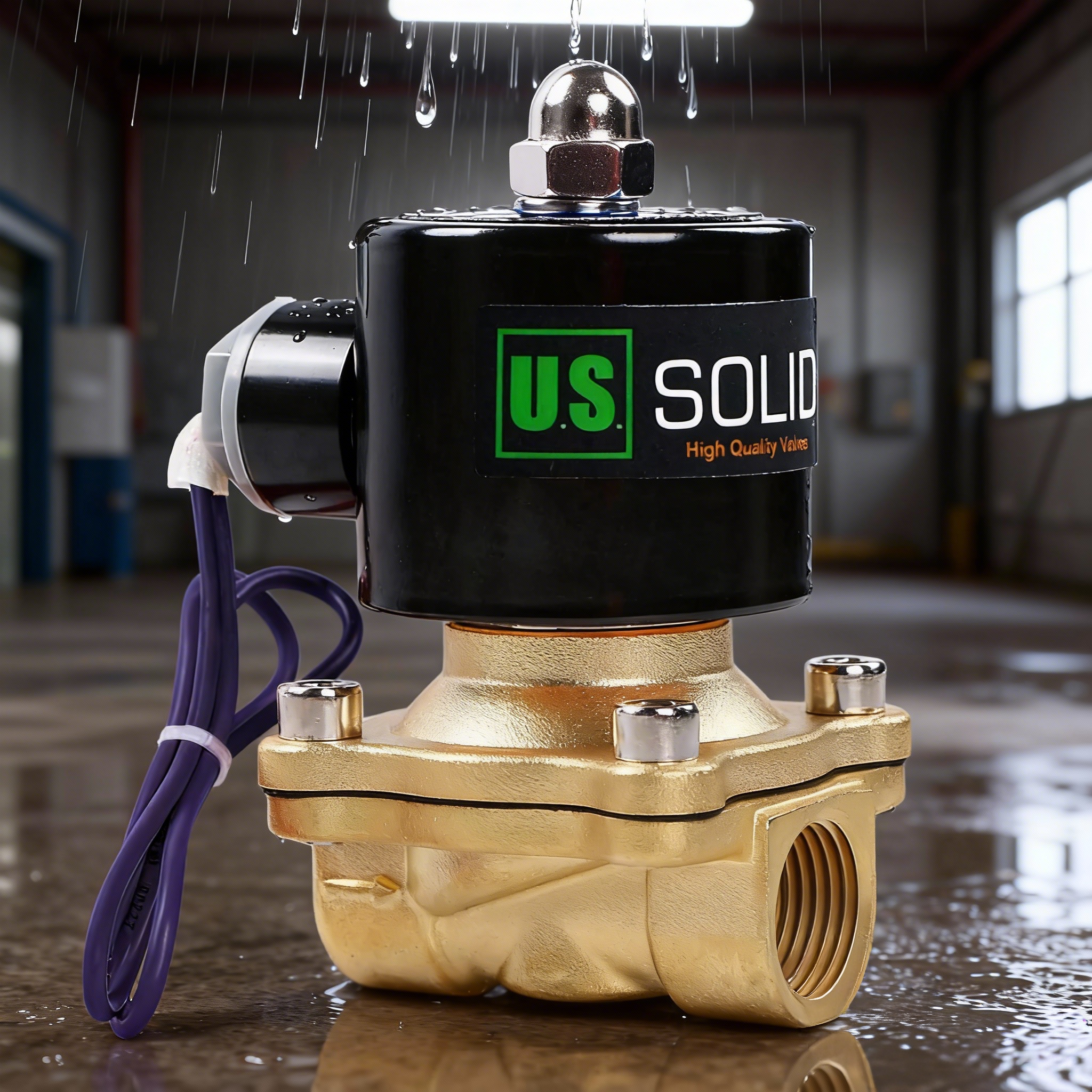
| IP43 | Spraying Water (60°) | Sheltered Outdoors |
| IP54 / 55 | Splashes | Indoor factories, HVAC |
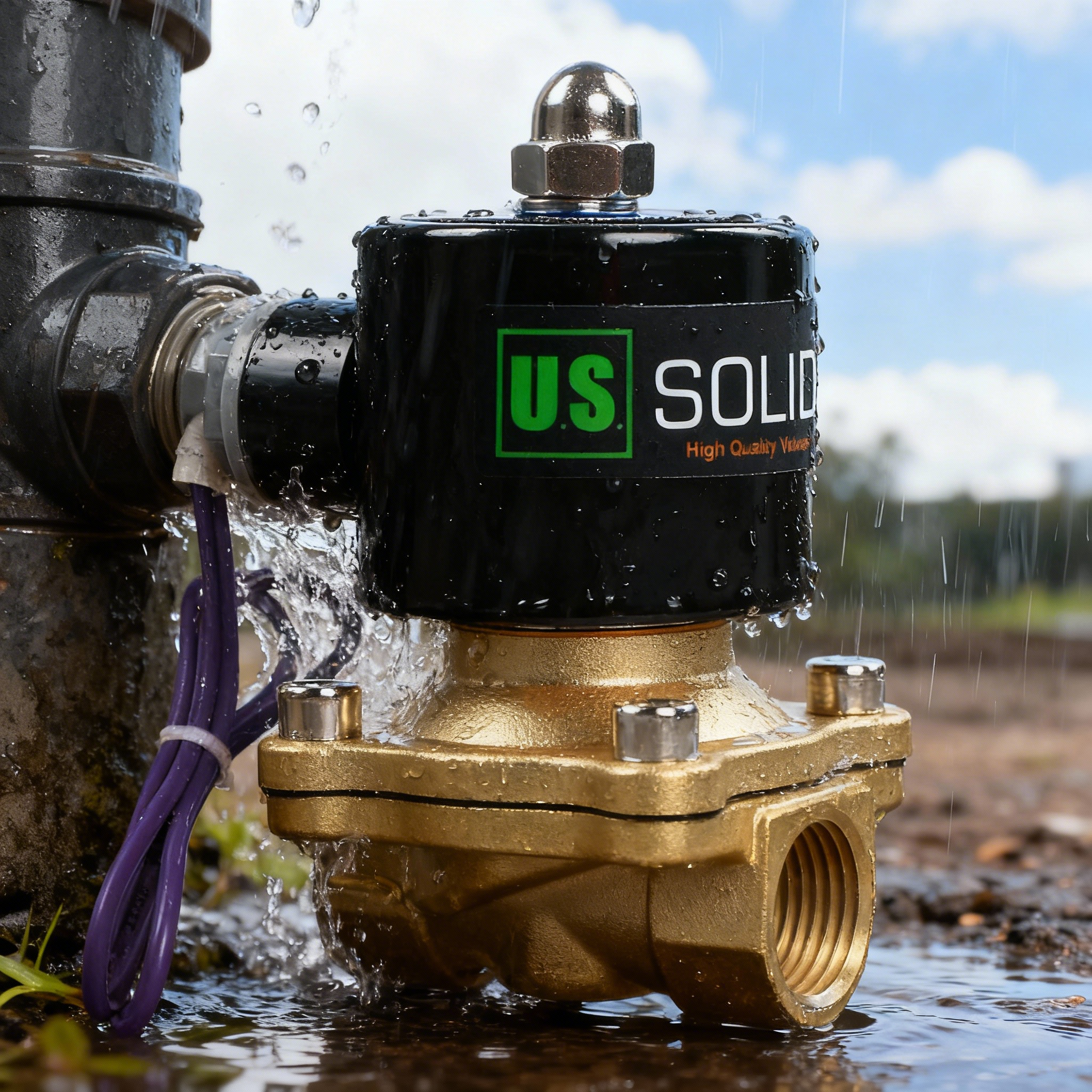
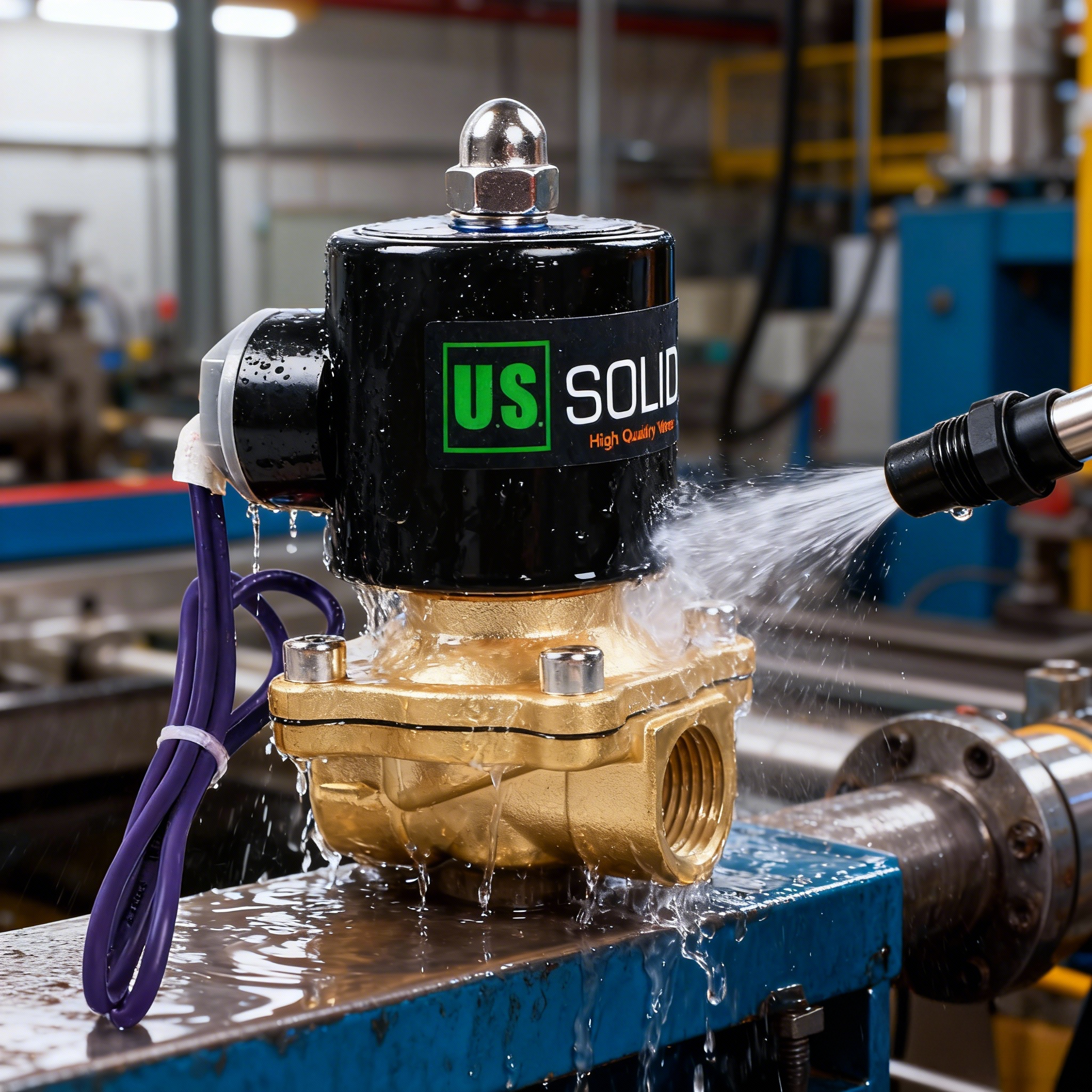
| IP65 | Low-pressure jets | Washdown areas, Rain |
| IP67 | Temporary Immersion | Flood-prone ground level |
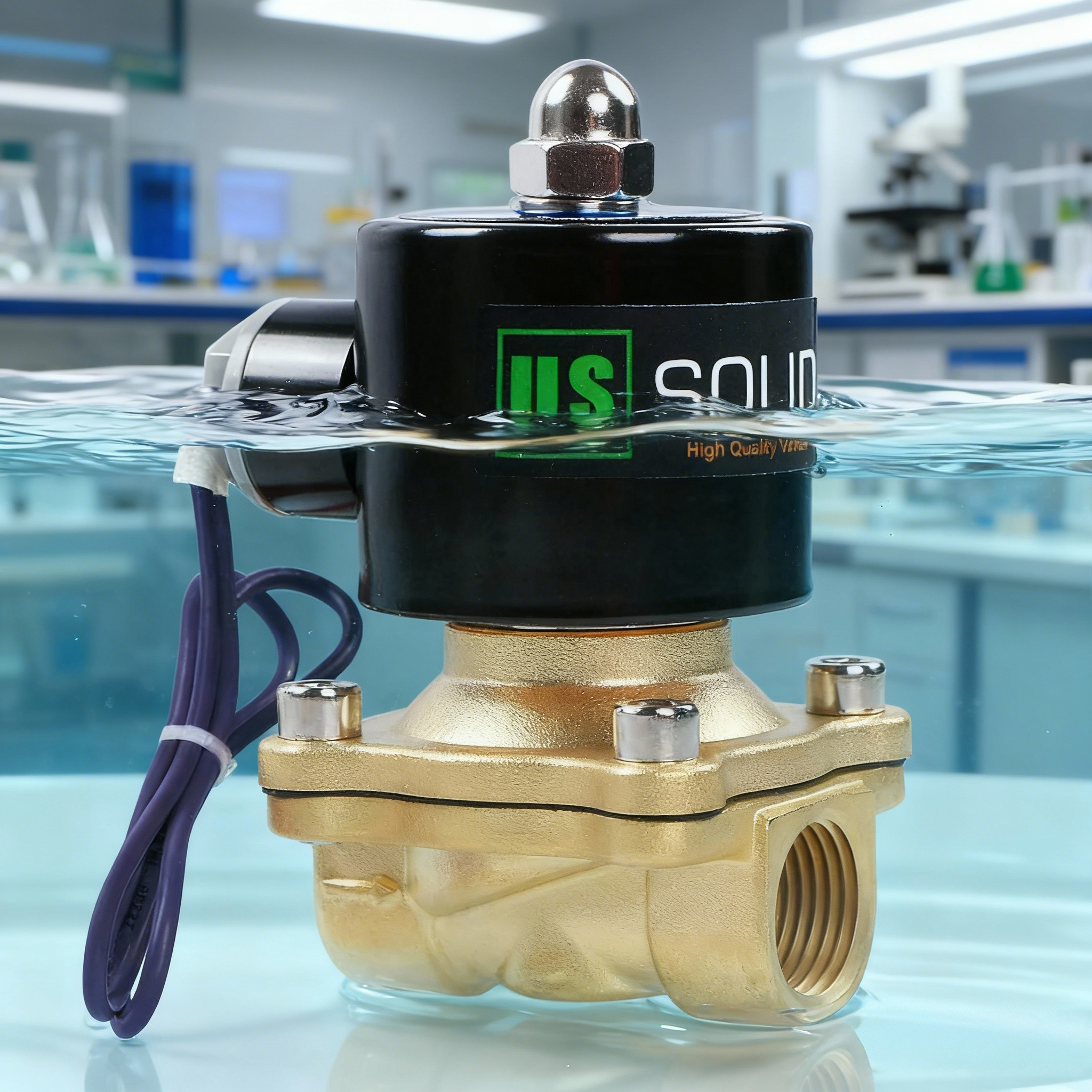
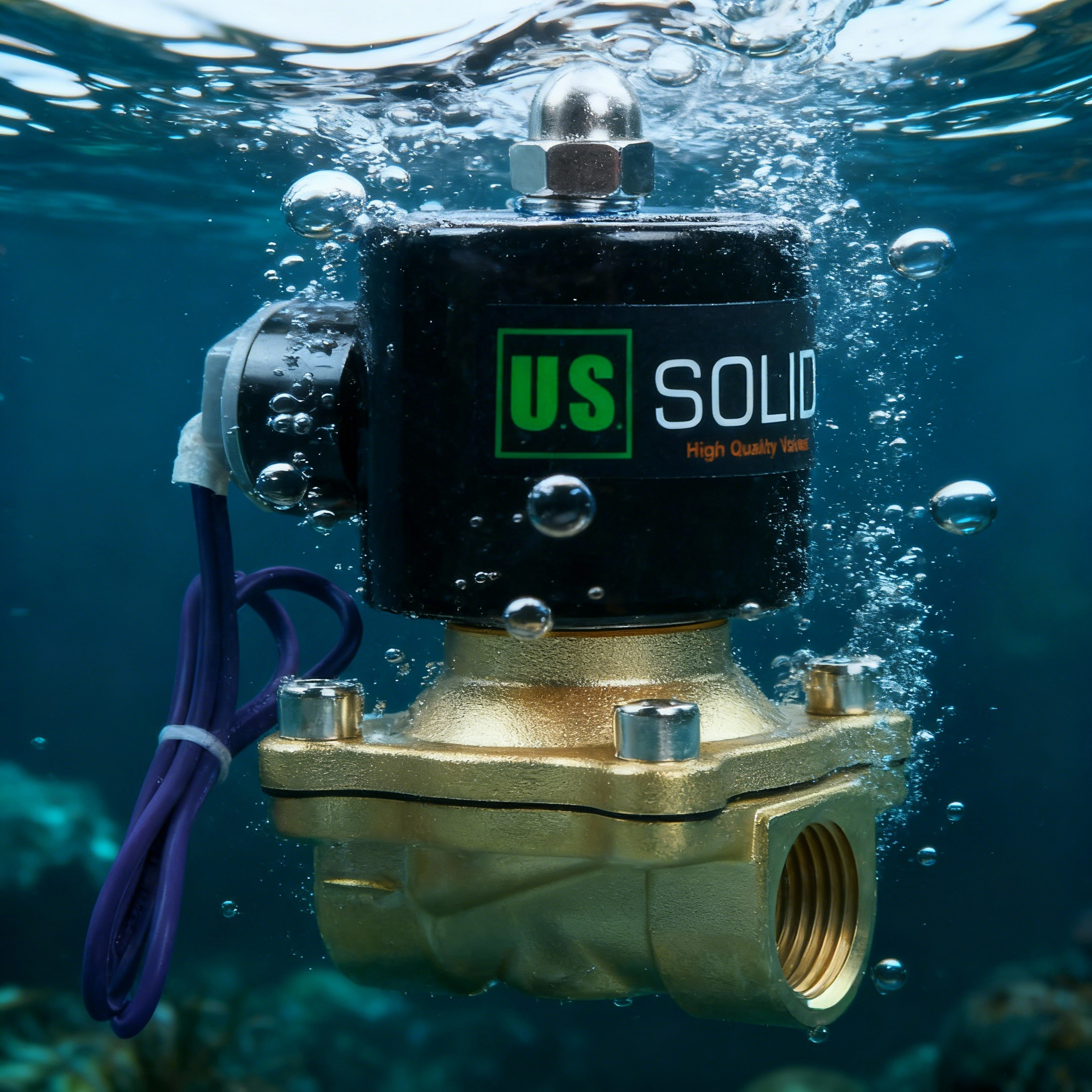
| IP68 | Continuous Submersion | Underwater, Pools |
Which Rating Do You Need?
Need help choosing?
Selecting the right IP rating saves you money and prevents system failure.
Browse Solenoid Valves