
How to Choose the Perfect Pneumatic Solenoid Valve for Your Needs
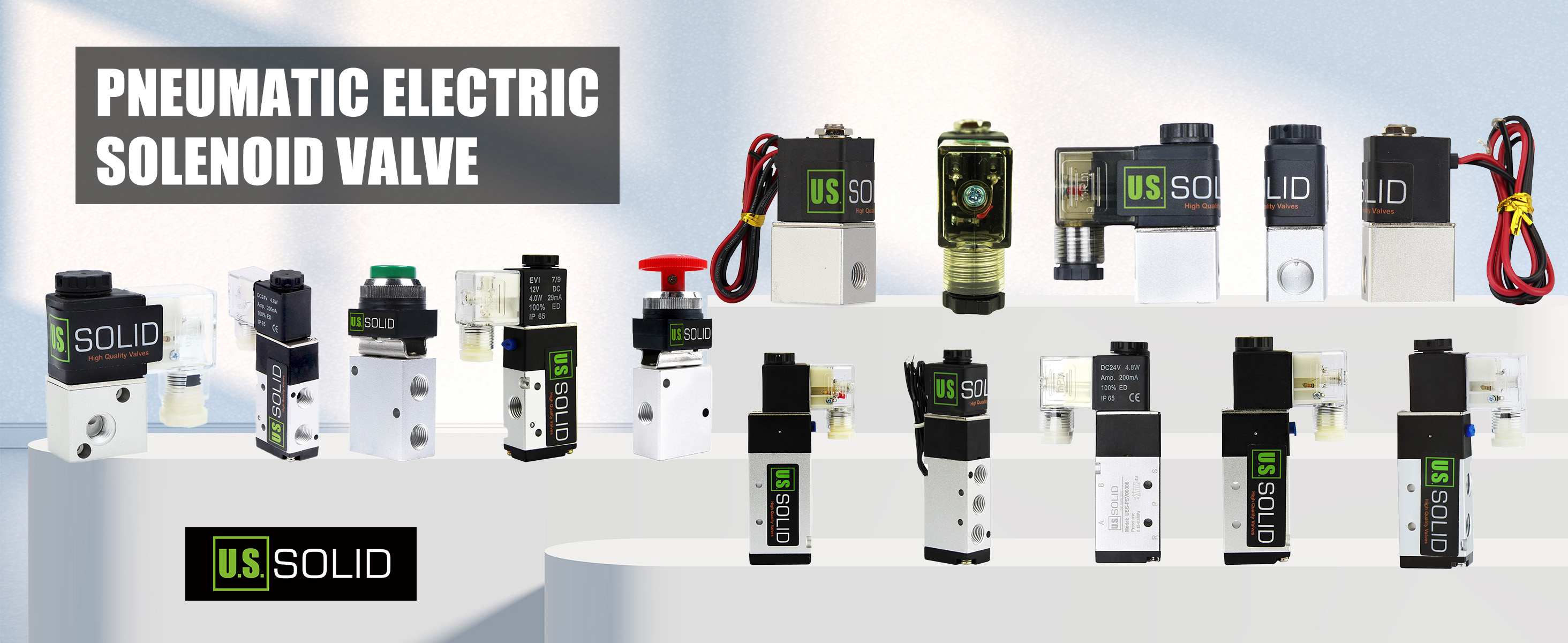
Pneumatic solenoid valves serve as the "brain" of pneumatic circuits, directly determining the operational logic and speed of actuating components. Selecting the wrong valve not only decreases efficiency but can also lead to equipment failure and safety hazards. This blog provides a clear selection process and essential tips for using accessories correctly.
Part 1: The "Four-Step Method" for Selecting Solenoid Valves
Follow these four core steps to ensure your solenoid valve meets your system requirements.
Step 1: Determine Core Parameters – Purpose and Structure
First, clarify the valve's function, as this determines the number of ports and positions required.
-
Port/Way Number: This refers to the number of interfaces on the valve body, depending on the actuators being controlled.
- 2-Way: Used for simple gas circuit switching, such as controlling the main gas source.
- 3-Way: Controls single-acting cylinders (single intake port, spring reset) or functions as a pilot control.
- 5-Way: The most common choice for controlling double-acting cylinders (which feature two ports for intake and exhaust).
-
Position Number: The number of working states the valve core can maintain.
- 2-Position: Features two states (e.g., On/Off or Forward/Reverse).
- 3-Position: Features three states. The middle position is typically Closed Center, Exhaust Center, or Pressure Center, used to stop or hold a cylinder at any position.
Key Tip: To control a double-acting cylinder, a 5-way 2-position solenoid valve is usually the standard choice.
Step 2: Adapt to Environment and Media
The valve material and protection rating must match your working conditions.
- Working Medium: Most pneumatic systems require filtered and dry compressed air. If the medium is water, steam, or corrosive gas, the valve body and seals must be made of stainless steel or specialized materials.
-
IP Rating:
- Indoor/Clean Environments: A standard rating (such as IP65) is sufficient.
- Outdoor/Humid/Dusty Environments: Select valves with IP67 or higher for superior dust and water resistance.
Step 3: Test Working Pressure
- Minimum Starting Pressure: Pilot-operated valves typically require a minimum pressure to function. Ensure your system pressure exceeds this threshold.
- Maximum Pressure: Verify that the valve can safely withstand the maximum pressure of your system.
Step 4: Determine Coil Electrical Characteristics
The electrical specs must match your control system (PLC or control board).
- Voltage: Common specifications include DC 24V (most widely used), AC 110V, and DC 12V.
- Power Consumption: Low-power series are ideal for large-scale valve integration to reduce the overall power load.
- Connection Methods: Options include lead wires, plug-in connectors (like DIN interfaces), or coils with LED indicators for easy status monitoring.
Part 2: Best Practices for Installation and Accessories
The lifespan and performance of your valve depend heavily on the correct use of peripheral accessories.
Fittings and Tubing
- Fittings: Push-in fittings are most common. Ensure thread specifications (e.g., G1/8, NPT1/4) and tube diameters (e.g., 6mm, 8mm) match.
- Tubing Materials: PU (polyurethane) and Nylon (PA) are standard. Ensure they can handle your system's pressure and temperature.
Installation:
- Square Cuts: Pipelines must be cut vertically and flat with specialized cutters before insertion to prevent leaks.
- Bending Radius: Avoid excessive bending to prevent stress concentration and tubing damage.
Silencers and Manual Overrides
- Silencers (Mufflers): Install these on exhaust ports (usually R and S) to reduce noise and block dust. Check them regularly for clogs.
- Manual Override: Use the manual buttons or levers only for debugging and emergencies. Ensure they are reset after use to avoid electrical control failures.
Valve Islands
For high-density applications, use an integrated Valve Island to save space and simplify wiring through centralized communication (like IO-Link).
Teflon (PTFE) Tape
Wrap PTFE tape around the threads of fittings and silencers before installation to ensure an airtight seal.
Summary and Call to Action
Correct selection is the foundation of a stable automation system. Always follow the four-step process regarding structure, environment, pressure, and electrical needs.
Note: We currently provide professional accessories for 1/4 inch models of 5-way 2-position valves, 12VDC 3-way 2-position valves, and 12VDC 2-way 2-position valves. If you need accessories for other port types or have specific application requirements, please contact us immediately!