


Introduction
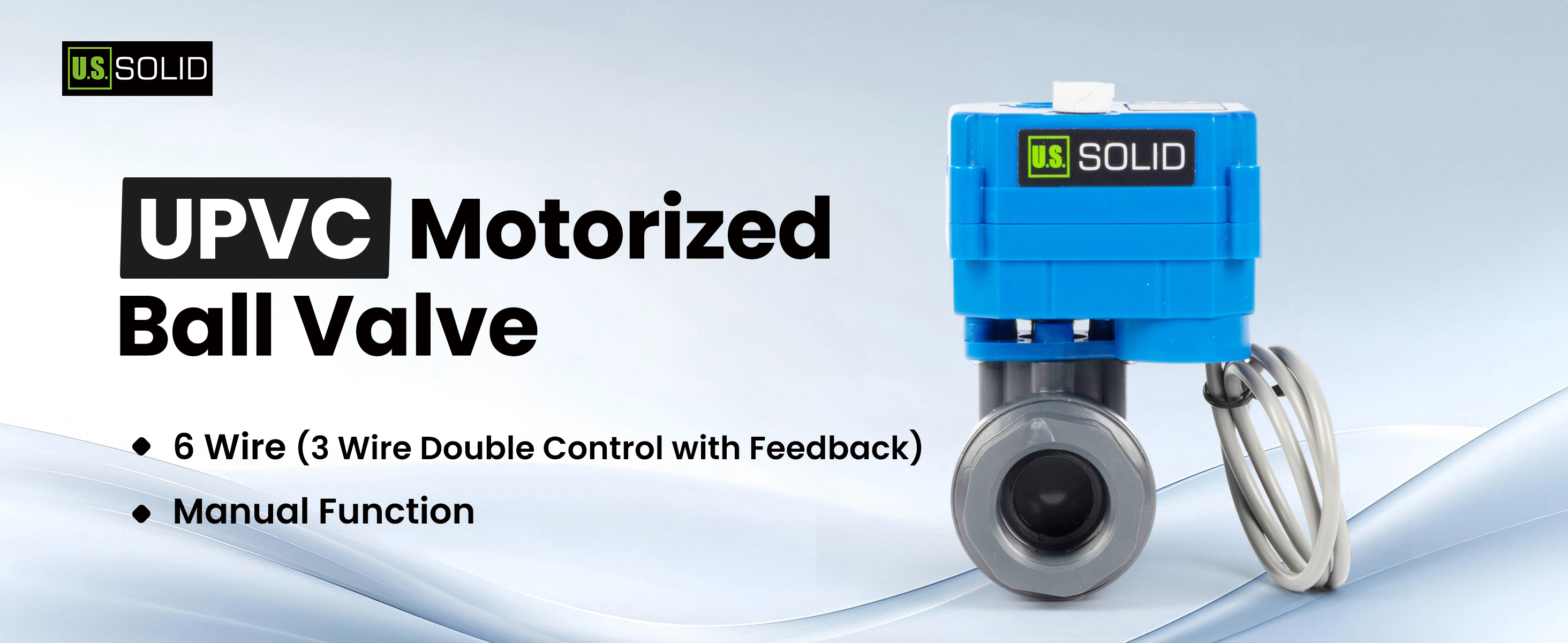
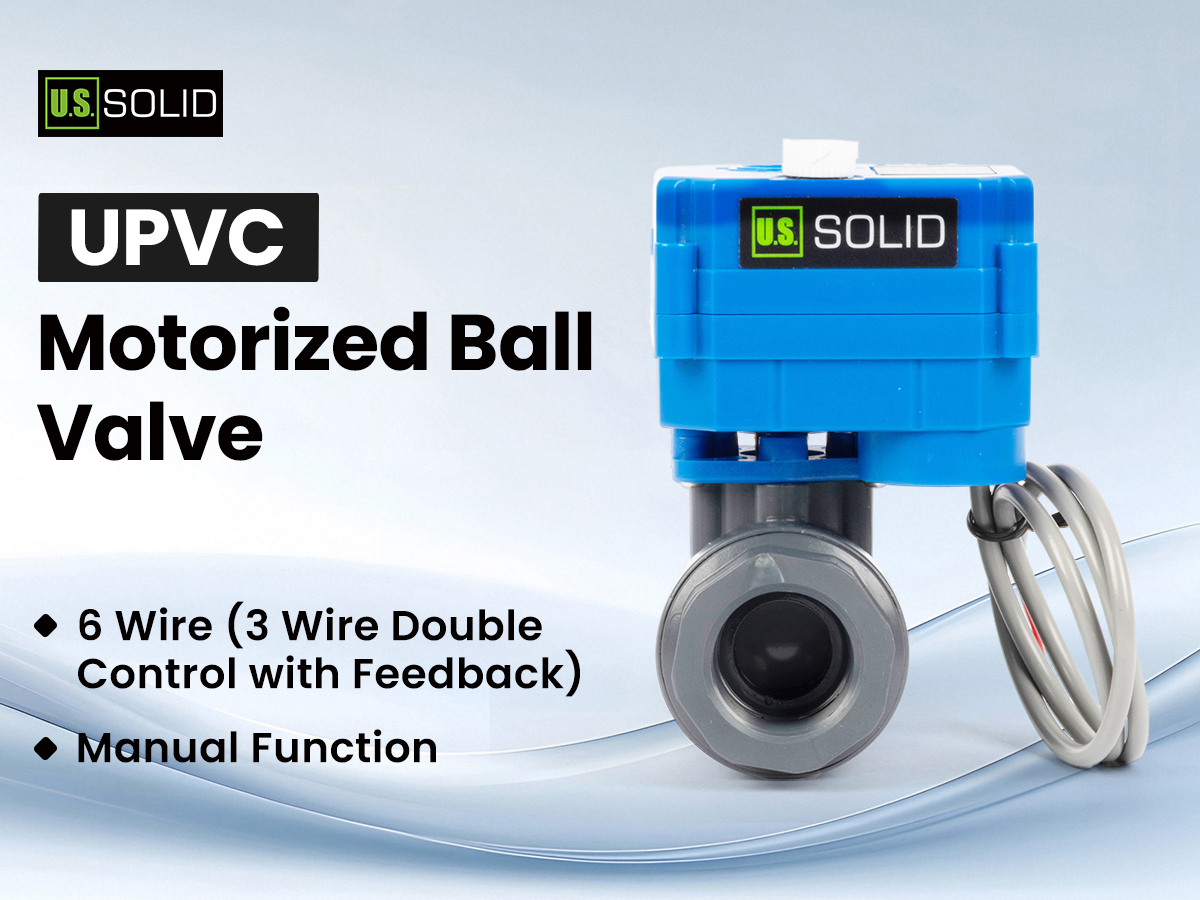
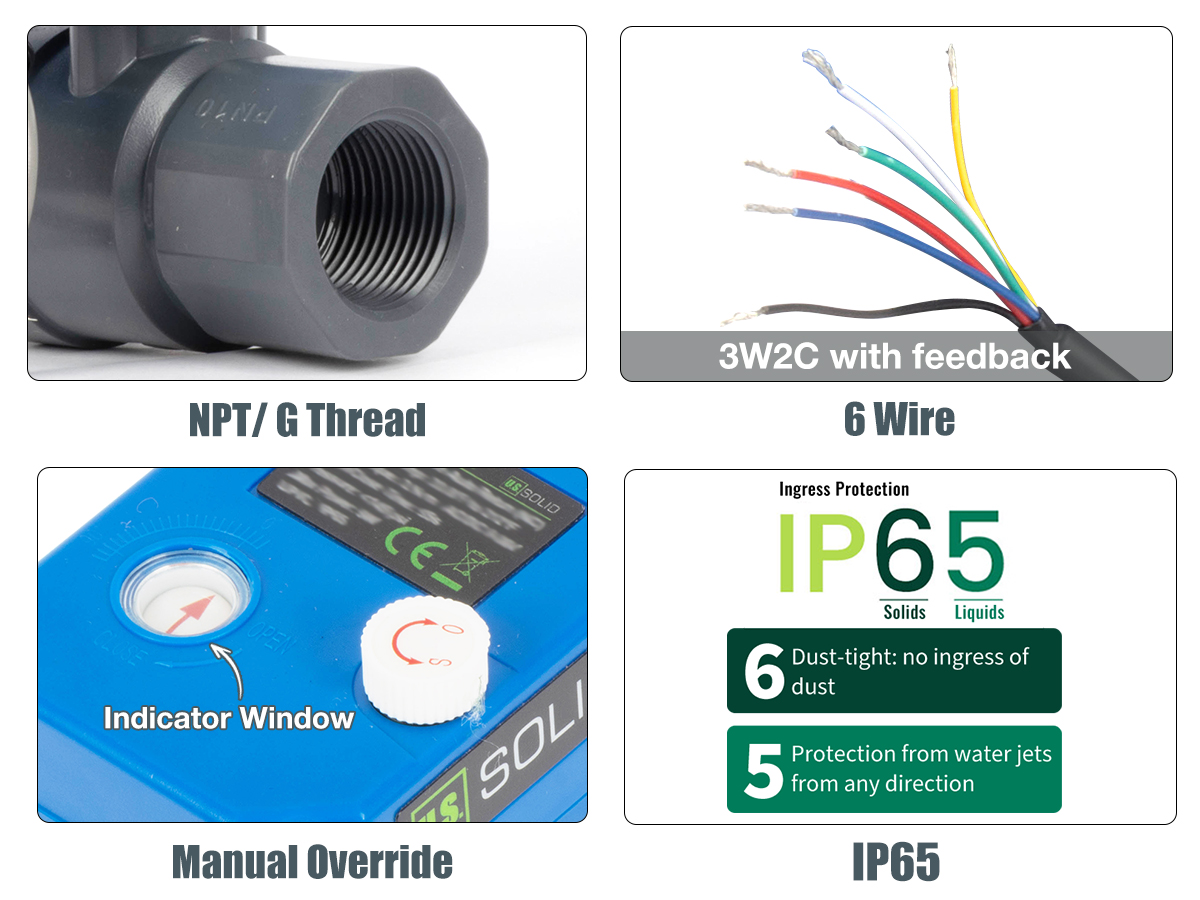
Made of UPVC, our standard-size motorized ball valves are lighter, more economical, and more practical than brass or stainless steel valves. They are available with threaded connections in NPT or G standards to fit common piping systems.
These valves utilize a 6-wire configuration integrating 3-wire double-control and 3-wire signal feedback functions. Unlike the 2-wire auto-return model, this version does not automatically reset if power is lost; instead, it remains in its current position. The control setup includes a power supply wire, an opening control wire, and a closing control wire, plus three wires for open/closed position feedback. A manual override is also included for use during power outages. All valves have EPDM seals for reliable performance.
Applications

Features
- No distinction between NO and NC:The valve maintains its current position after power is cut off. Adjusting the wiring to change the valve ON/OFF status requires the entire system to remain powered on.
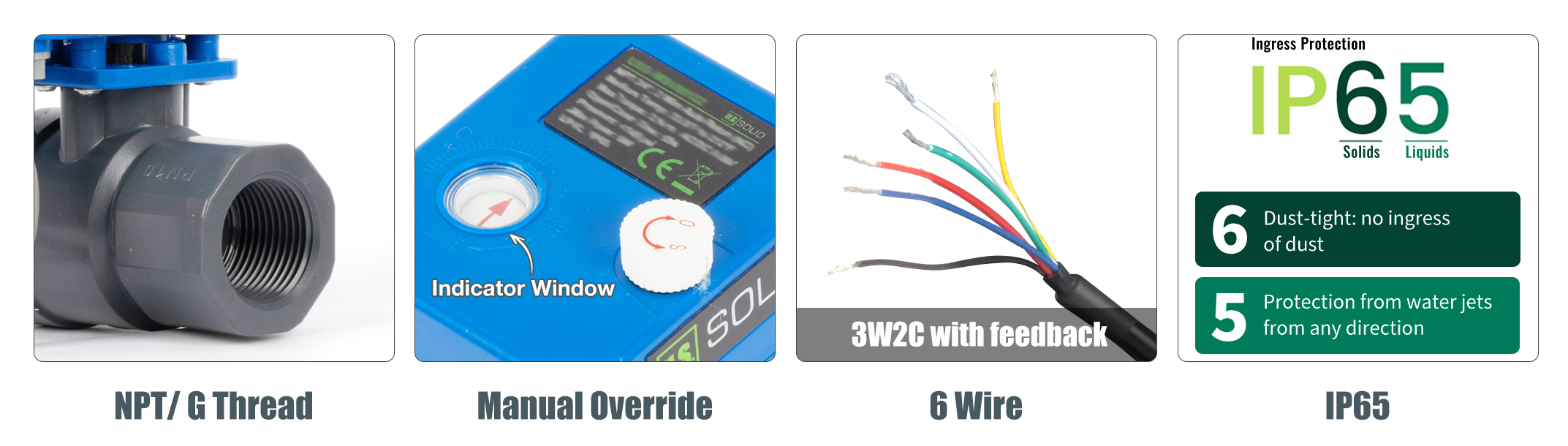
- NPT / G Threading: NPT (National Pipe Taper) and G (BSPP) to accommodate diverse global specifications, ensuring a secure seal with teflon tape.
- Manual Function: Enables emergency actuation via a dedicated hand knob, ensuring the valve can be quickly opened or closed without electrical power. "O"=Open, "S"=Close.
- Indicator Window: Engraved marks directly show the valve's open/closed status. External arrow pointing to "0" means fully closed; pointing to "90" means fully open.
- Premium Material: Valve body made of UPVC with EPDM seals, meeting general operating requirements.
- 6-Wire Double-Control with Signal Feedback: Combines three wires for double-control operation with three wires for signal feedback. The control wires include a power supply wire, an opening control wire, and a closing control wire, while the feedback wires provide open/closed position signaling.
User Manual
To learn how to use this product, please refer to the user manual.
Technical Data
| Port Size | 1/2" | Model | USS-MSV00145 |
| Port | 2 way | Thread | NPT/G |
| Connection | Thread | Max Power | 3W |
| Orifice | 15 mm | With Hex Wrench | No |
| Wiring | 6-Wire (3-Wire Double-Control + Signal Feedback) | Manual Function | Yes |
| Signal feedback function | Yes | Indicator Window | Yes |
| Body Material | UPVC | Normal Position | No NO/NC distinction |
| Seal Material | PTFE | Temp Range (Medium) | 32℉ to 131℉ |
| Working Voltage | DC 9-36V | Close/Open Time | 6-8s |
| Max Torque | 2 N·m | Max. Pressure | 145 PSI (1.0 Mpa) |
| Life Expectancy | 50,000 to 80,000 Cycles | IP Rating | IP65 |
| Package Size | 3.46"×3.7"×5.12" | Gross Weight | 0.6 lb |
*To view the full table on mobile, please swipe left or right on the screen.
6-Wire (3-Wire Double-Control + Signal Feedback)
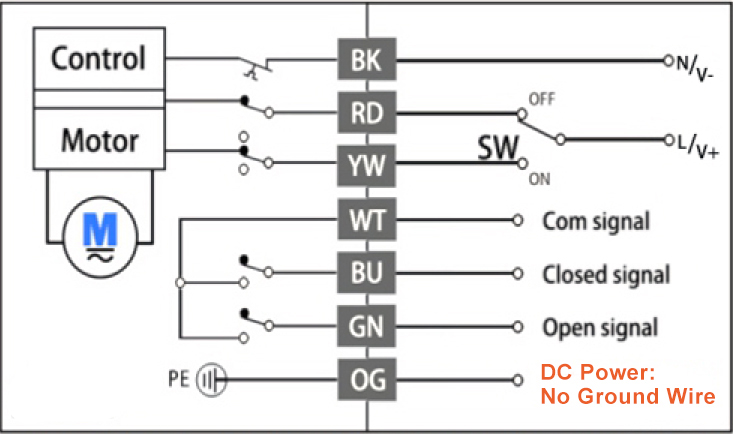
This model uses a 6-wire wiring method that combines 3-wire double-control operation with 3-wire signal feedback. The control wires include a power supply wire, an opening control wire, and a closing control wire; the feedback wires provide open/closed position signaling.
- Connect both the control wires and signal feedback wires according to the wiring diagram.
- Wire Color Coding: BK (Black), RD (Red), YW (Yellow), WT (White), BU (Blue), GN (Green), and OG (Orange).
- The valve remains in its current position if power is lost.
- Before manual operation, always disconnect power first.
FAQ
Problem 1: What is the difference between N.C. (Normally Closed) and N.O. (Normally Open)?
Only the automatic return models are classified as Normally Open (NO) or Normally Closed (NC).
- Normally Closed (NC): Valve remains closed when power is off, opening only when energized. Ideal for fail-safe closed applications.
- Normally Open (NO): Valve remains open when power is off, closing only when energized. Ideal for fail-safe open applications.
Problem 2: Can this be used for Drinking Water?
NO. This valve is industrial-grade and not recommended for potable water applications.
Problem 3: What should be noted when wiring a valve with signal feedback?
For valves with signal feedback, the three feedback signal wires and the valve control wires must be connected to two separate power supplies.
Problem 4: How to operate the valve manually?
Note: For the 2-wire auto-reset model, wait briefly before manual operation to allow the capacitor to discharge fully before turning the handwheel.
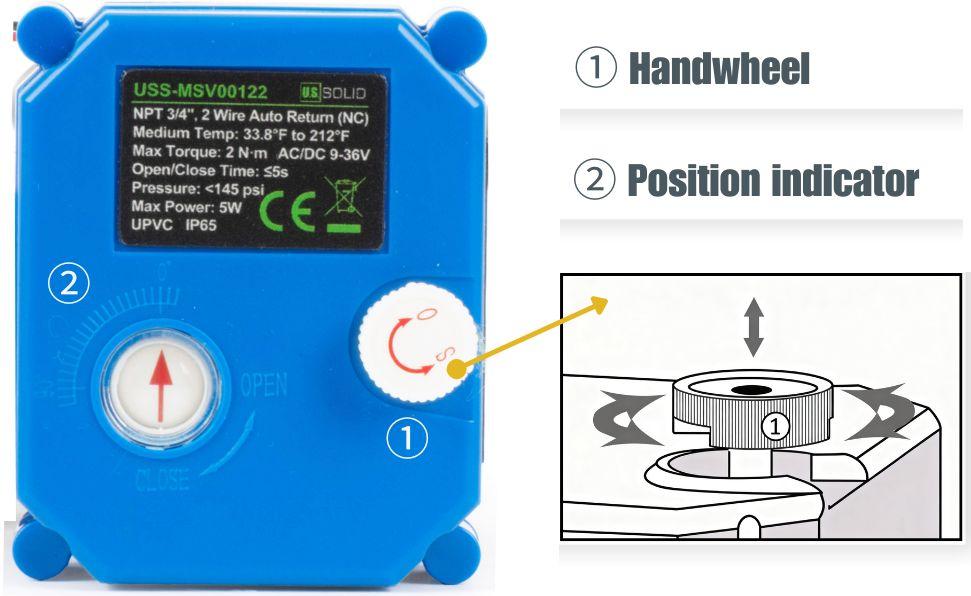
Red arrow
The valves is fully closed when the red arrow on the position indicator ② points to "0"(vertical to the pipe).Likewise,the valve is fully open when it points to "90"(parallel to the pipe).
Steps
- Before manual operation, ensure the valve is in a power-off state.
- First, gently pull up the handwheel. At this point, rotating it will open or close the passage. You will feel a slight lift of the rod when pulling up; if it cannot be lifted, try rotating it to adjust the position.
- Do not use excessive force. While rotating, pay attention to the red line in the indicator window to avoid over-operation.
- After completing the manual operation, press down the handwheel to ensure the normal operation of the electric function.
Problem 4: Why can't the handwheel be turned when using the manual function?
For valves with automatic reset, if the handwheel cannot be turned despite following the correct procedure, it is usually because the capacitor in the valve has not fully discharged. Wait for several dozen seconds until the capacitor is discharged, then the manual function can be used normally.
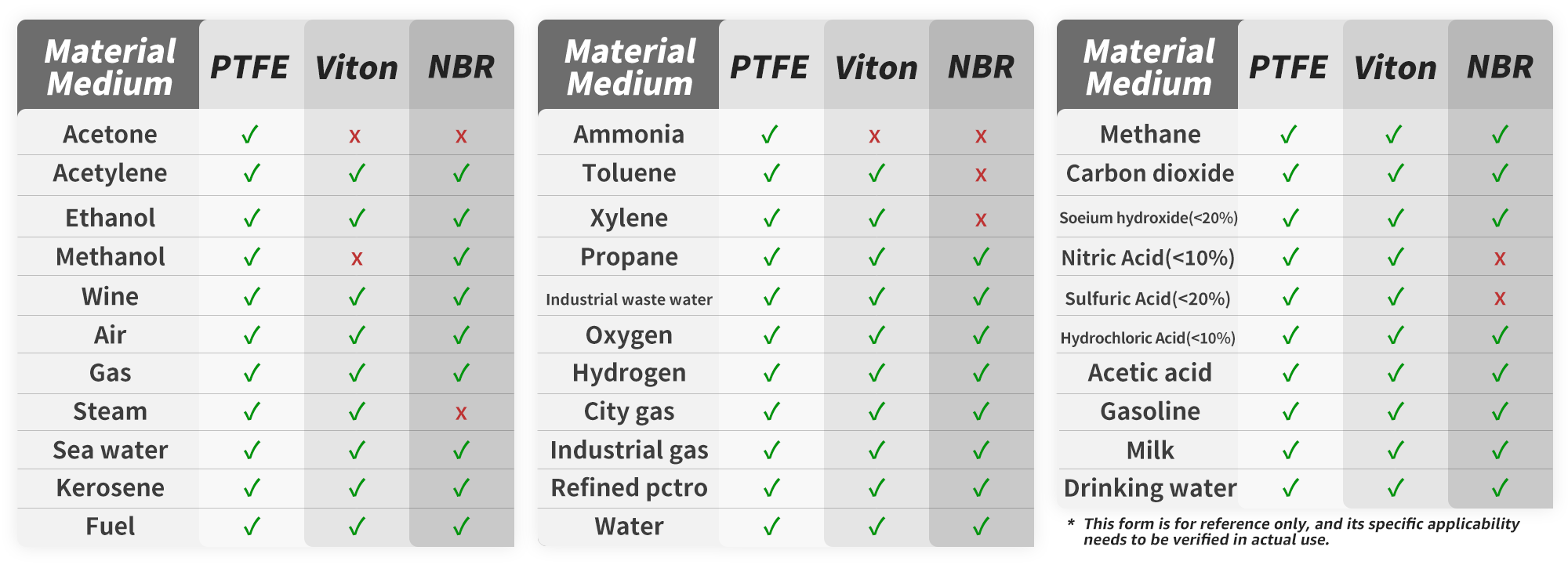
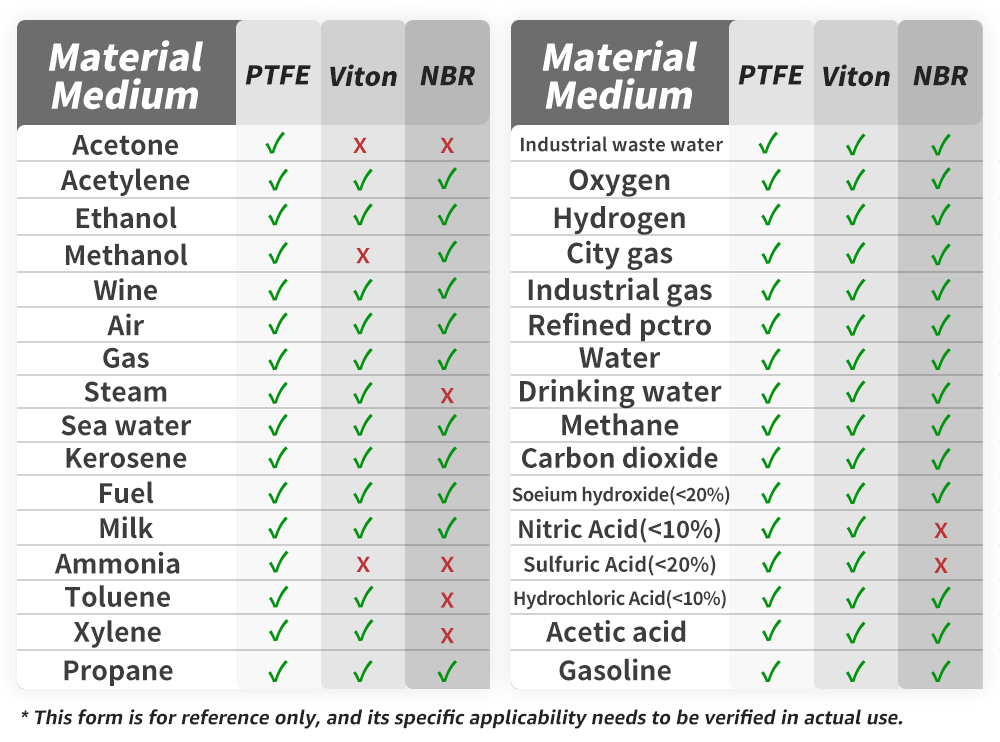
*Important: Check marks (√) denote conditional suitability only; crosses (×) indicate complete incompatibility.