
What is a Vacuum Solenoid Valve?
Introduction
A vacuum solenoid valve is a specialized valve installed on a mechanical vacuum pump. The valve and the pump are connected to the same power source, so the pump's operation directly controls the opening and closing of the valve.
When the pump stops working or the power is suddenly interrupted, the valve automatically seals the vacuum system. It then allows atmospheric air to enter the pump chamber through the pump's intake, which prevents pump oil from flowing back and contaminating the vacuum system.
This type of valve is suitable for use with air and non-corrosive gases.
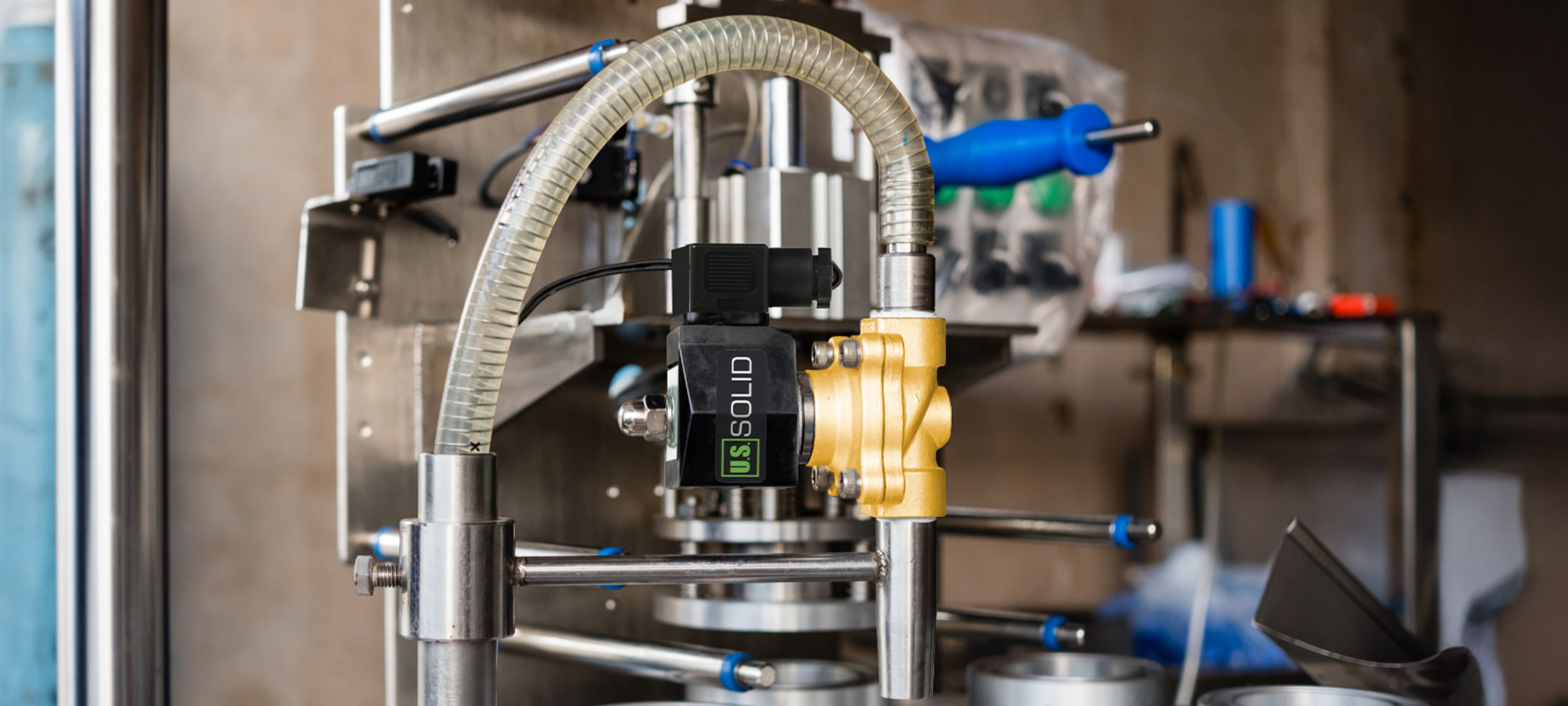
Working Principles and Specifications
A vacuum solenoid valve is a special vacuum valve designed to prevent oil from back-flowing from a mechanical vacuum pump. It's installed at the intake port of the pump and opens and closes in sync with the pump.
Key features and specifications:
- Energy Efficient: It has a low power consumption, which saves energy.
- Material: It is typically made from materials like stainless steel, brass, or ductile iron.
- Medium: It is designed to work with clean air or other gases.
-
Temperature Range: The working temperature of the medium is determined by the rubber used in the valve:
- Nitrile Butadiene Rubber(NBR): 14℉ to 176℉(−10℃ to 80℃)
- Fluoroelastomer(FKM): -22℉ to 302℉(−30℃ to 150℃)
- Ethylene Propylene Diene Monomer(EPDM): -22℉ to 248℉(−30℃ to 120℃)
- Operating Environment: The valve's operating environment temperature should be 14℉ to 122℉(−10℃ to 50℃), with a relative humidity no greater than 90%.
- Installation: Vacuum solenoid valves are generally installed horizontally. However, alternative installation methods can be specified when ordering. Valves with a nominal diameter of 200mm or more are best installed horizontally.
Vacuum Level
The term "vacuum" in this context refers to a relative vacuum. The vacuum solenoid valves developed by us are designed to handle a vacuum level of 0.0-1.0 MPa, which can meet the requirements of most vacuum environments.
The main differences between a vacuum solenoid valve and a solenoid valve
1. Operating Environment and Medium
Standard Solenoid Valve: Primarily used to control fluids under positive pressure, such as compressed air, water, and oil. They rely on the pressure difference of the medium to assist in opening and closing the valve.
Vacuum Solenoid Valve: Specifically designed for a vacuum environment, which is an environment with pressure below atmospheric pressure. They must operate reliably without a positive pressure differential and, in some cases, need to maintain a seal under a high degree of vacuum.
2. Structure and Working Principle
Standard Solenoid Valve: Typically uses a pilot-operated structure. This design uses the pressure of the medium itself to help drive the valve spool, making it unreliable in low-pressure differential environments.
Vacuum Solenoid Valve: Many vacuum solenoid valves use a direct-acting structure. This design does not rely on the pressure differential of the medium. Instead, the solenoid coil directly drives the valve spool, allowing it to open and close reliably even in a vacuum or low-pressure environment. Additionally, the seals and materials used in vacuum solenoid valves are specially designed to ensure a very low leak rate at high vacuum levels.
3. Application Scenarios
Standard Solenoid Valve: Widely used in various industrial automation, fluid control, and pneumatic systems, such as cylinder control, water switches, and hydraulic systems.
Vacuum Solenoid Valve: Primarily used in applications that require control of a vacuum system, such as vacuum suction cups, vacuum packaging machines, semiconductor manufacturing, laboratory equipment, and any device that needs to quickly cut off or restore a vacuum. They are often used with vacuum pumps to prevent pump oil from back-flowing and contaminating the system.
For more details, please check Vacuum Solenoid Valve