
Don’t Overpay for Valves: Choosing Between Stainless Steel, Brass, and PVC
Introduction
Choosing the wrong valve material can be a costly mistake—either you’re replacing a corroded PVC valve too soon, or you’re spending a fortune on stainless steel when a simple brass fitting would have done the job. Selecting the right material isn't just about technical specs; it’s about balancing performance with your budget. In this guide, we’ll break down the real-world pros and cons of stainless steel, brass, and PVC so you can stop overspending and start building a system that lasts.
1. Stainless Steel Valves: Industrial-Grade Durability
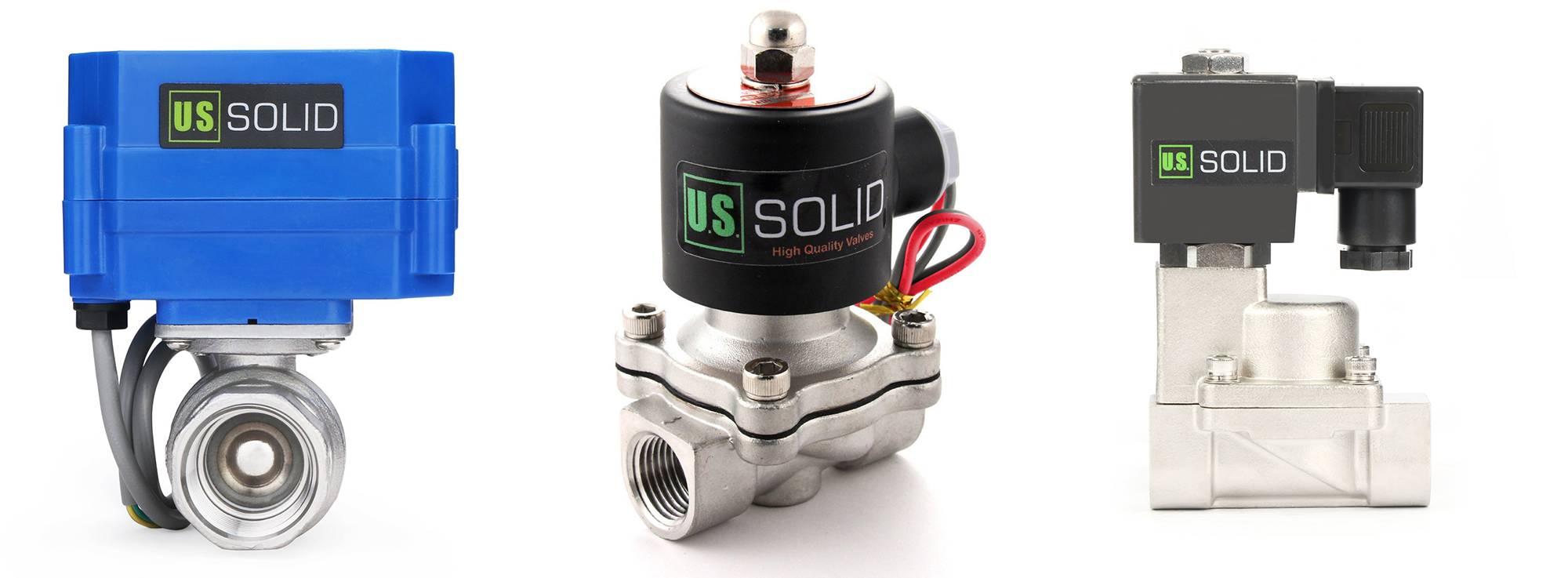
Key Advantages
- Exceptional Corrosion Resistance: Contains chromium that forms a protective oxide layer, resisting most chemical media
- High-Temperature Performance: Withstands extreme temperatures from -20°C to 180°C (-4°F to 356°F)
- Superior Mechanical Strength: Handles high pressure and mechanical impact
- Extended Service Life: Can last 10-15 years or more with proper maintenance
- Sanitary Applications: Smooth surface resists bacterial growth
- Aesthetic Durability: Maintains appearance without rust or discoloration
Main Disadvantages
- Higher Cost: Highest initial investment among the three materials
- Processing Difficulty: Requires specialized equipment and expertise
- Heavier Weight: Higher installation and transportation costs
Common Grade Comparison
304 Stainless Steel: Most widely used grade, contains 18% chromium and 8% nickel, suitable for general corrosive environments and food processing
316 Stainless Steel: Contains 2-3% molybdenum for enhanced corrosion resistance, especially suitable for marine environments and chemical applications
Best Application Scenarios
- Chemical and petroleum industry corrosive media transfer
- Food, beverage, and pharmaceutical sanitary-grade applications
- Marine environments and high-salinity areas
- High-temperature, high-pressure steam systems
- Critical systems requiring long-term maintenance-free operation
- Medical equipment and laboratory applications
2. Brass Valves: The Balanced Choice for Value
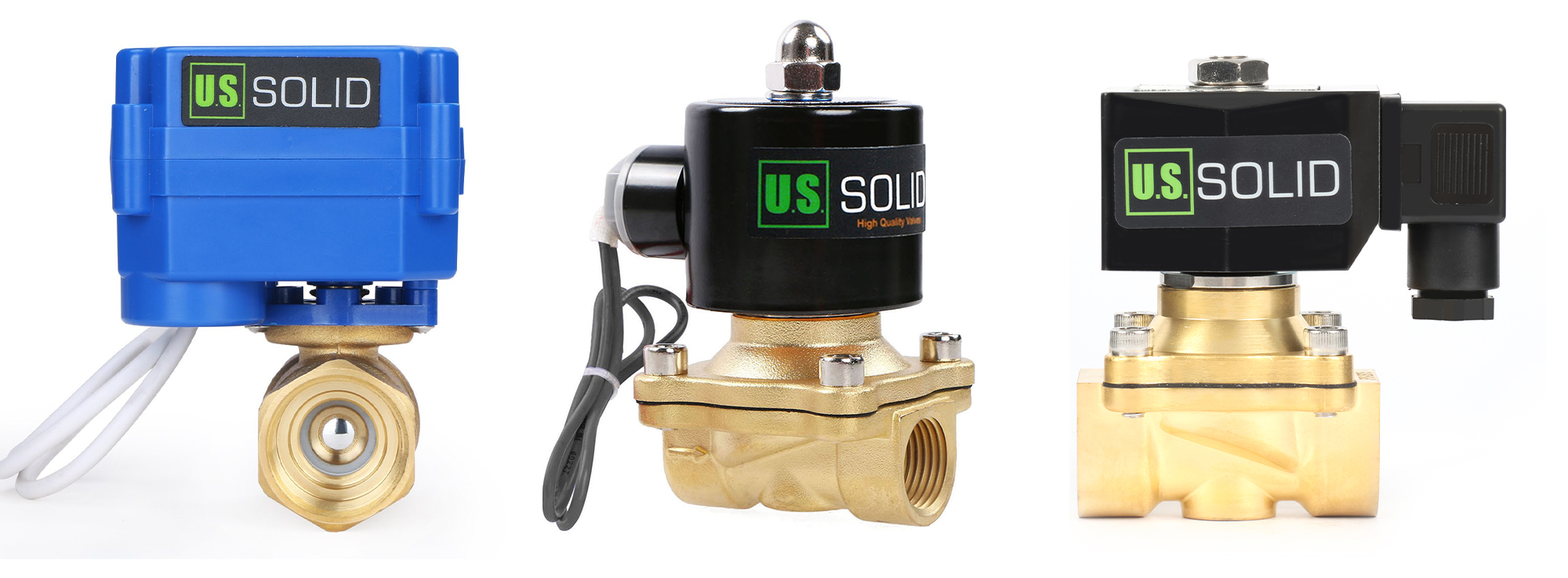
Key Advantages
- Excellent Value: Moderate price with reliable performance
- Good Machinability: Easy to cast and machine into complex shapes
- Moderate Corrosion Resistance: Good resistance to water and general chemicals
- Good Thermal Conductivity: Suitable for applications requiring rapid temperature response
- Antimicrobial Properties: Natural antibacterial characteristics
- Good Sealing Performance: Moderate material flexibility enables excellent sealing
Main Disadvantages
- Temperature Limitations: Generally limited to 150°C (302°F) maximum
- Dezincification Risk: May experience dezincification corrosion under certain water conditions
- Not Resistant to Strong Acids/Bases: Corrodes in extreme pH environments
- Lead Content Concerns: Traditional brass contains lead; select lead-free or low-lead products for potable water
Material Composition
Brass is a copper-zinc alloy, typically 60-70% copper and 30-40% zinc. Some high-performance brass includes small amounts of lead, tin, or aluminum to improve specific properties.
Best Application Scenarios
- Residential and commercial water supply systems
- Heating, ventilation, and air conditioning (HVAC) systems
- Compressed air systems
- General industrial fluid control
- Natural gas and liquefied petroleum gas (LPG) systems
- Medium to low pressure and temperature applications
Important Considerations
Dezincification: When brass is exposed to chlorinated or low-pH water for extended periods, zinc can be selectively corroded, causing material brittleness. Select dezincification-resistant brass grades (such as C46400) to prevent this issue.
Potable Water Standards: Brass valves for drinking water systems should comply with NSF/ANSI 61 standards, with lead content not exceeding 0.25%.
3. PVC Valves: Economical and Lightweight Solution
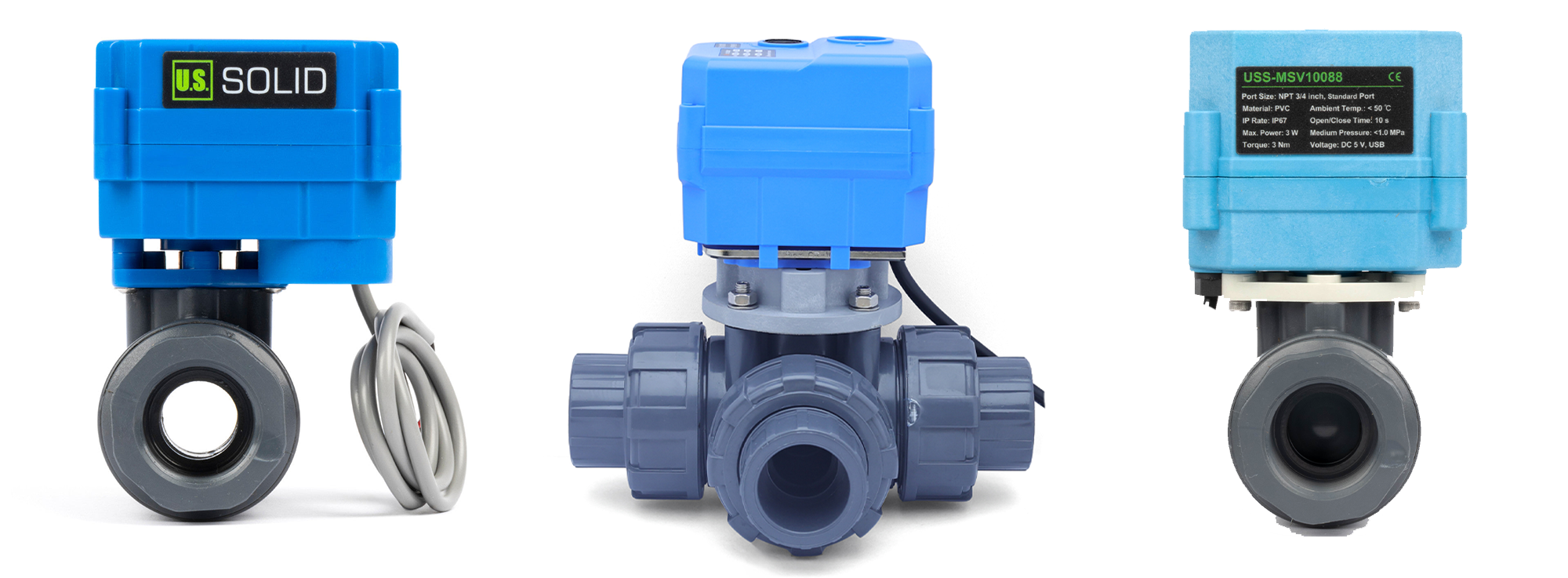
Key Advantages
- Lowest Cost: Price is only 1/3 to 1/2 of metal valves
- Excellent Chemical Resistance: Outstanding resistance to acids, bases, and salt solutions
- Lightweight: Easy to transport, install, and maintain
- Rust-Free: Completely immune to oxidation corrosion
- Good Insulation: Electrical insulation suitable for special environments
- Easy Installation: Can use solvent welding, threading, or flanged connections
- Low Flow Resistance: Smooth interior walls minimize fluid resistance
Main Disadvantages
- Strict Temperature Limitations: Generally 0-60°C (32-140°F), maximum 80°C (176°F)
- Lower Mechanical Strength: Not suitable for high-pressure or mechanical impact environments
- UV Sensitivity: Prolonged sun exposure causes aging and brittleness
- High Thermal Expansion: Significant dimensional changes with temperature variations
- Not Resistant to Certain Organic Solvents: Aromatic hydrocarbons and ketones can dissolve PVC
Material Types
PVC-U (Unplasticized PVC): Most common, good rigidity, suitable for pressure piping
PVC-C (Chlorinated PVC): Improved temperature resistance, can withstand temperatures above 90°C (194°F)
PVC-O (Oriented PVC): Higher strength and toughness, suitable for high-pressure applications
Best Application Scenarios
- Agricultural irrigation and horticulture systems
- Chemical transfer and storage
- Water treatment and wastewater treatment
- Swimming pools and spa equipment
- Laboratory drainage systems
- Low-pressure industrial fluid control
Temperature and Pressure Ratings
Standard PVC valves typically have working pressures of 0.6-1.6 MPa (87-232 psi), depending on size and temperature. For every 10°C (18°F) temperature increase, allowable working pressure decreases by approximately 10-15%.
4. Material Comparison Table
| Property | Stainless Steel | Brass | PVC |
|---|---|---|---|
| Corrosion Resistance | Excellent (almost all media) | Good (water, general chemicals) | Excellent (acids, bases, salts) |
| Temperature Range | -20°C to 180°C (-4°F to 356°F) |
-20°C to 120°C (-4°F to 248°F) |
0°C to 60°C (32°F to 140°F) |
| Pressure Rating | High (up to 2.5 MPa) | Medium-High (up to 1.6 MPa) | Low-Medium (typically ≤1 MPa) |
| Mechanical Strength | Very High | Medium | Lower |
| Service Life | 10-15 years | 5-10 years | 3-5 years |
| Relative Cost | High (3-5x) | Medium (1.5-2x) | Low (baseline) |
| Weight | Heavy | Medium | Light |
| Sanitary Applications | Excellent | Good | Fair |
| Maintenance Requirements | Low | Medium | Low |
5. How to Choose: Decision Guide
Selection Based on Media Type
Water and Steam:
- Potable water: Lead-free brass or stainless steel 304
- Industrial water: Brass or PVC
- Seawater: Stainless steel 316
- High-temperature steam: Stainless steel
Chemical Media:
- Strong acids/bases: PVC or stainless steel 316
- Organic solvents: Stainless steel
- Salt solutions: Stainless steel or PVC
- General chemicals: Select PVC or stainless steel based on concentration and temperature
Gases:
- Compressed air: Brass or stainless steel
- Natural gas/LPG: Brass
- Corrosive gases: Stainless steel
Selection Based on Temperature and Pressure
- Low temp/low pressure (<60°C, <1 MPa): PVC most economical
- Medium temp/pressure (60-150°C, 1-2 MPa): Brass offers best value
- High temp/pressure (>150°C, >2 MPa): Stainless steel required
Selection Based on Environment
- Indoor ambient conditions: All three materials suitable, choose based on budget
- Outdoor exposed environments: Stainless steel or brass (PVC needs UV protection)
- Marine or high-salinity environments: Stainless steel 316
- Sanitary requirements: Stainless steel 304/316
- Limited budget: PVC or brass
Selection Based on System Lifespan
- Temporary or short-term systems (<5 years): PVC
- Medium-term systems (5-15 years): Brass or PVC
- Long-term or permanent systems (>15 years): Stainless steel
6. Frequently Asked Questions
Q1: Can I mix different valve materials in the same system?
A: Technically yes, but consider:
- Avoid direct contact between dissimilar metals to prevent galvanic corrosion (e.g., stainless steel and brass)
- Use dielectric unions or gaskets to isolate different metals
- Ensure all valves can withstand the system's maximum temperature and pressure
- Recommend using economical materials in non-critical locations, high-performance materials in critical positions
Q2: How can I identify the material of existing valves?
A: Use these identification methods:
- Appearance: Stainless steel has silver-white luster, brass is golden-yellow, PVC has plastic texture
- Magnetic test: Stainless steel 304/316 is non-magnetic or weakly magnetic, brass and PVC are non-magnetic
- Weight: For same size, stainless steel is heaviest, brass medium, PVC lightest
- Markings: Check material markings or model numbers on valve body
- Sound test: Metal valves produce crisp sound when tapped, PVC sounds dull
Q3: How does material affect maintenance frequency?
A: Significant impact:
- Stainless steel: Lowest maintenance frequency, typically only requires periodic seal inspection
- Brass: Requires regular dezincification and seal checks, recommend inspection every 1-2 years
- PVC: Check for aging, deformation, and sealing, outdoor applications recommend annual inspection
Q4: Which material is most environmentally friendly?
A: From a lifecycle perspective:
- Stainless steel: 100% recyclable, long service life, most eco-friendly long-term
- Brass: Recyclable, but mining and processing energy consumption is high
- PVC: Production process has greater environmental impact, lower recycling rate
7. Conclusion and Recommendations
There is no absolute "best" valve material—the key is finding the right balance for your specific application needs:
- For long-term reliability and low maintenance: Choose stainless steel; while initial investment is high, lifecycle cost may be lower
- For balanced performance and cost: Brass is ideal for most conventional applications
- For limited budget or temporary applications: PVC provides an economical and practical solution
Before making your final decision, we recommend:
- Clearly define system media type, temperature range, and pressure rating
- Evaluate operating environment and expected lifespan
- Calculate total lifecycle cost, not just initial price
- Consult professional suppliers for specific recommendations
- Consider future expansion and maintenance convenience
If you still have questions about which valve material to choose, please contact our technical team. We provide professional selection consulting services to help you find the best valve solution for your application.
Browse our valve product collection to view high-quality valve options in various materials.