


Introduction
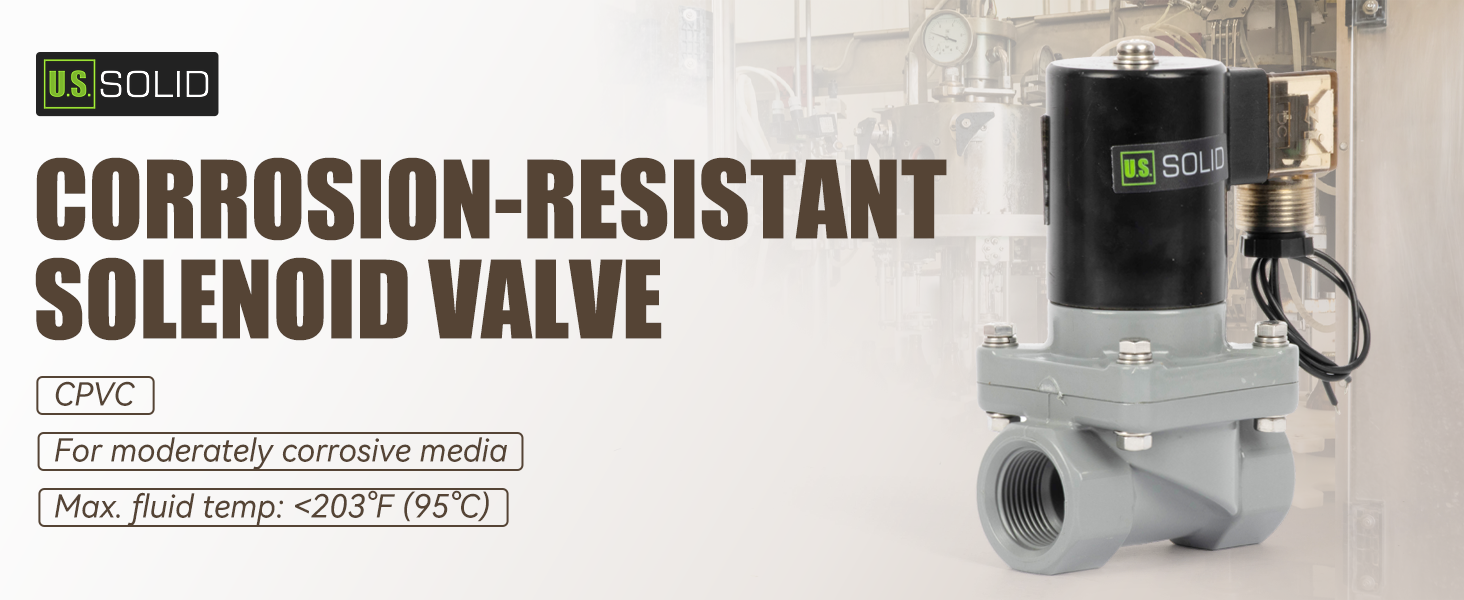
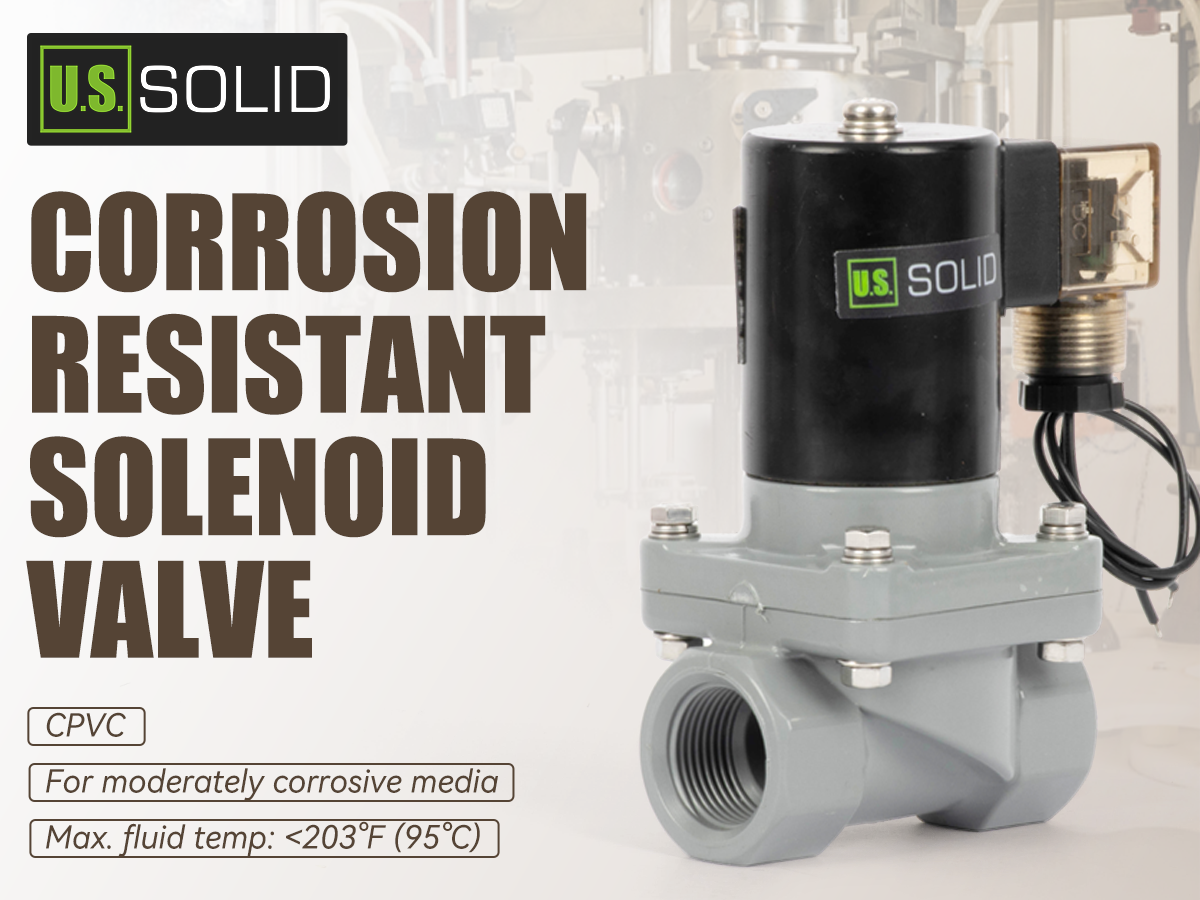
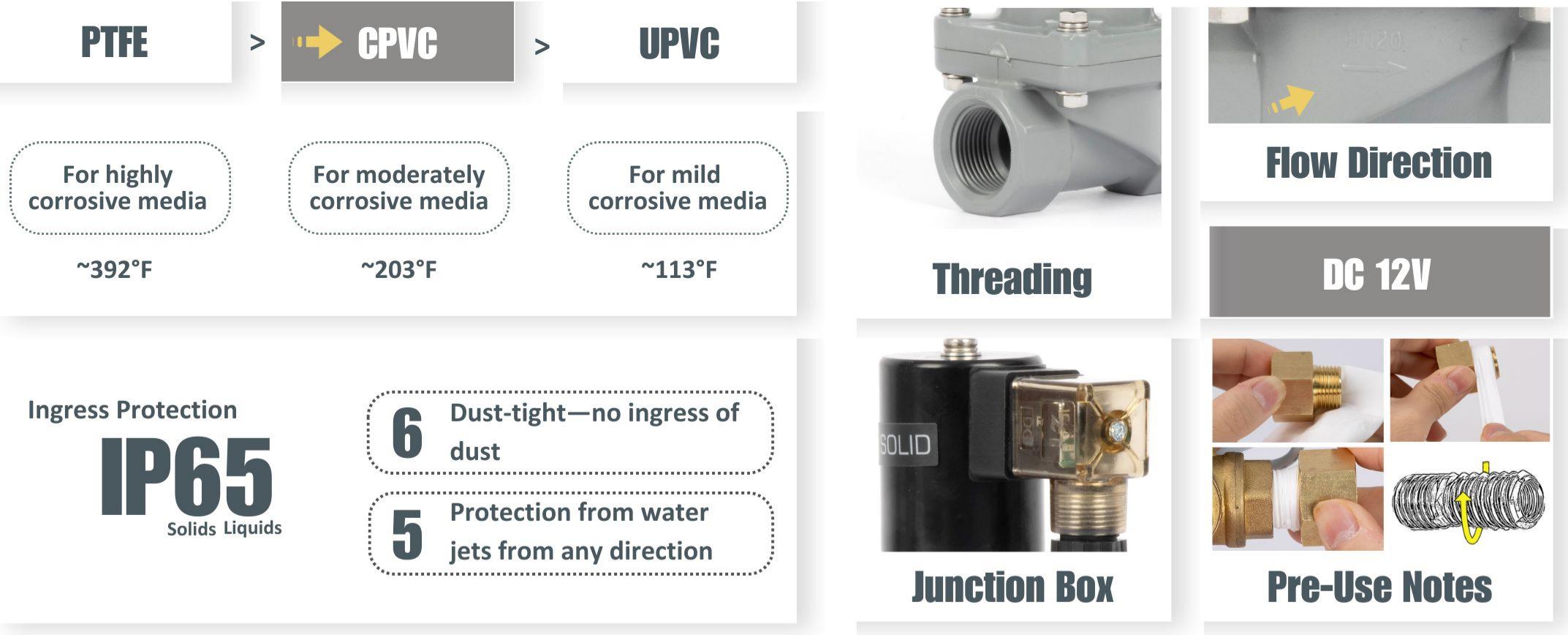
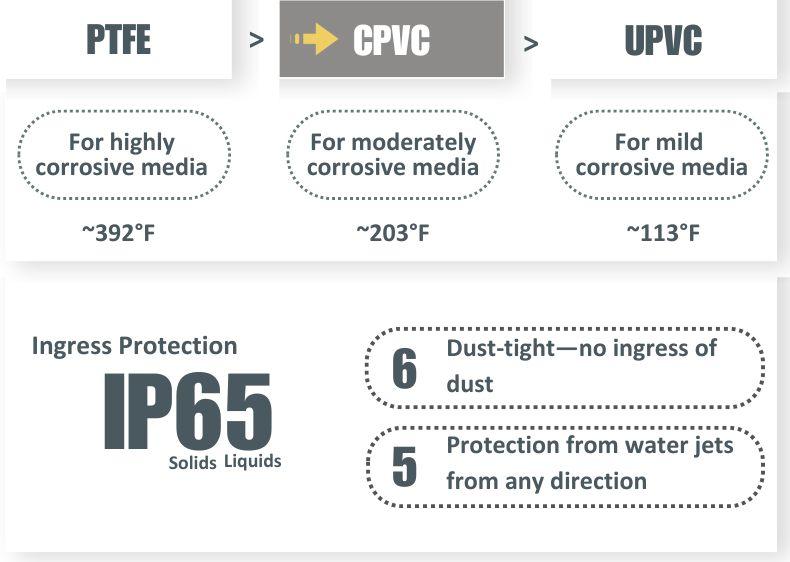
This series of corrosion-resistant solenoid valves is suitable for handling corrosive fluids such as acids, alkalis (bases), and salts, and is compatible with Sulfuric Acid up to a 60% concentration and Hydrochloric Acid at all concentrations. The valve body material is CPVC and the seal material is VITON, with a maximum fluid temperature of 203℉.
Applications
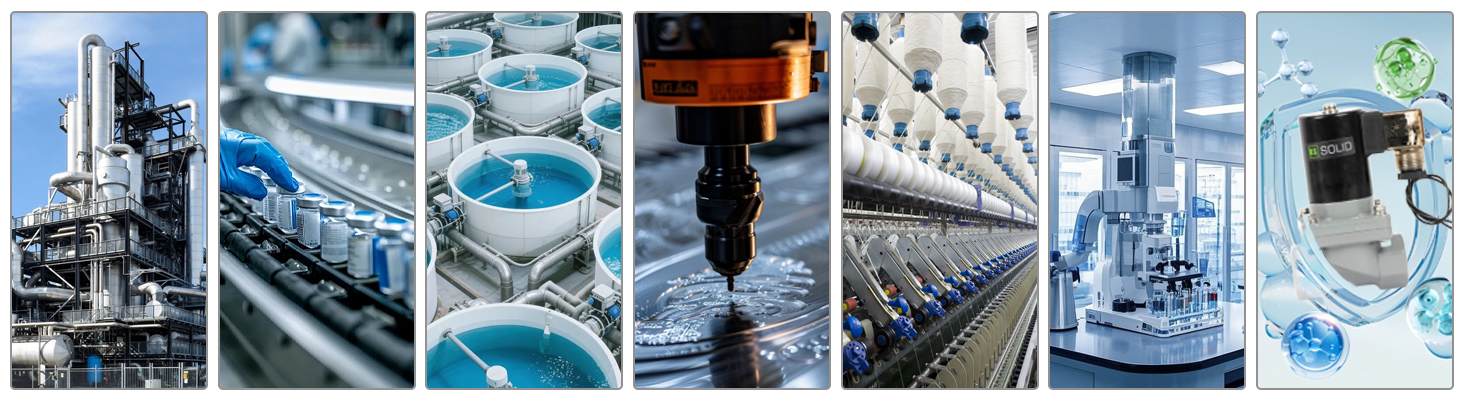
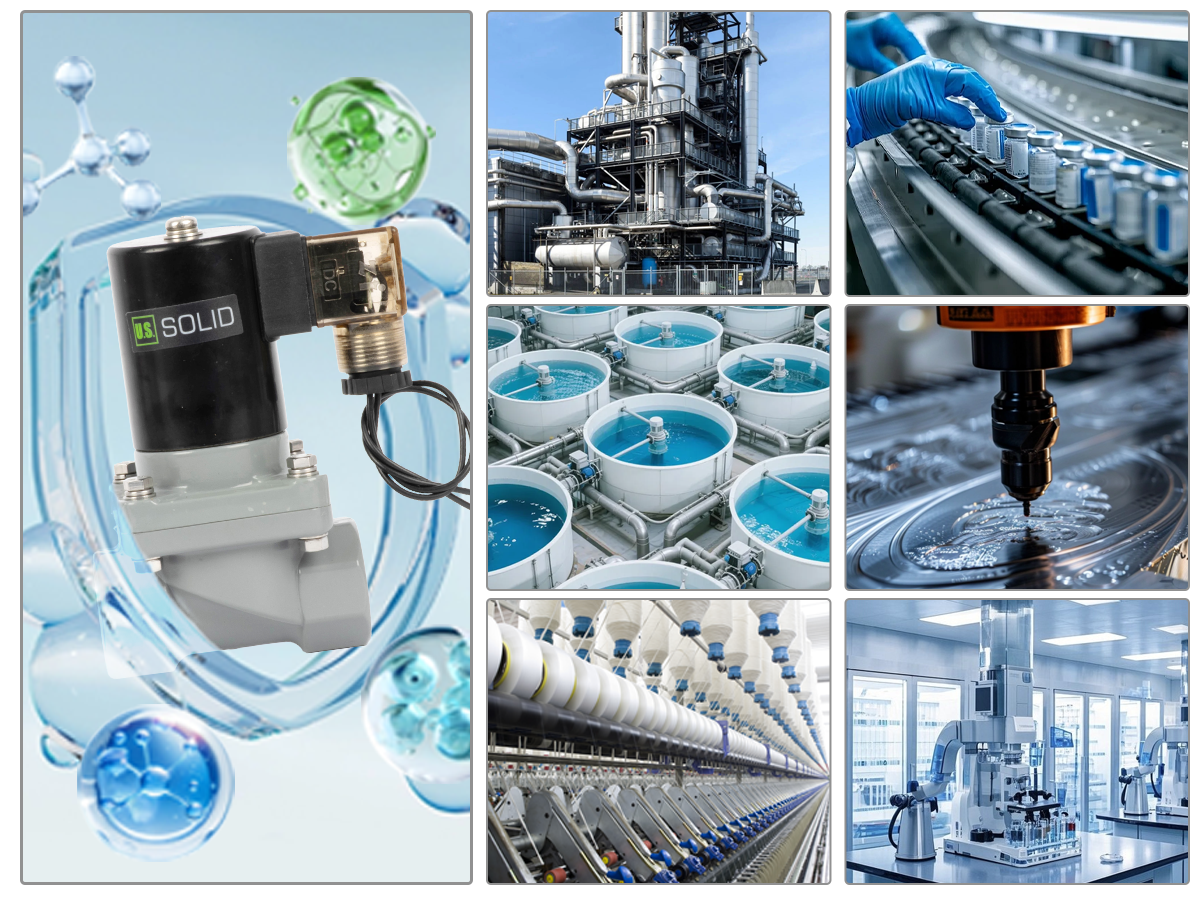
This valve is primarily designed for manufacturers and facilities in the chemical, pharmaceutical, water treatment, electroplating, textile, and laboratory analysis industries, where moderately corrosive media are involved.
Features
- For moderately corrosive media: Suitable for handling corrosive fluids such as acids, alkalis and salts, with a maximum fluid temperature of 203℉(95°C). It is widely used in chemical processing, pharmaceutical production, water treatment, electroplating, textile manufacturing, laboratory analysis and other industrial applications.
- Piston-type Isolation: The medium chamber is completely separated from electromagnetic components, preventing corrosive medium leakage from damaging the coil and enhancing anti-corrosion durability.
- Valve Body Material: Constructed from CPVC, which offers higher temperature resistance and stronger resistance to high-concentration acid and alkali corrosion compared to UPVC. It is suitable for sulfuric acid with concentration <60% and hydrochloric acid at any concentration.
- Viton Seal: Featuring a durable Viton seal, this valve can withstand high temperatures and resist corrosive chemicals and fluids like gasoline, oils, diesel and lubricants.
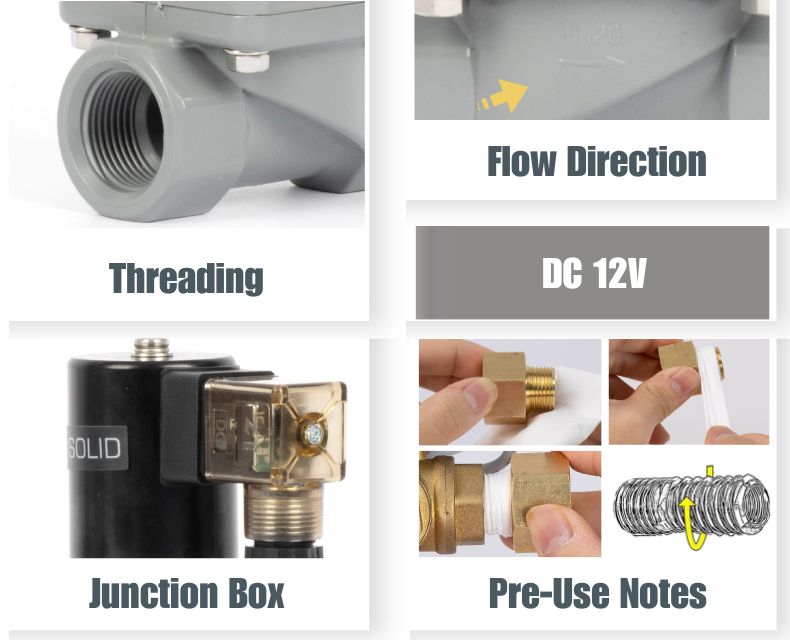
- NPT/G: NPT (National Pipe Taper) and G (BSPP) threading to accommodate diverse global specifications, ensuring a secure seal with teflon tape.
- Junction box: Provides secure wiring protection for harsh environments (dust, moisture, vibration).
User Manual
To learn how to use this product, please refer to the user manual.
Technical Data
| Model | USS-HSV04002 | Port Size | 3/4" | ||
| Thread Type | NPT/G | Body Material | CPVC | ||
| Operation Type | Direct-acting | Wiring Type | Junction Box | ||
| Operation Mode | Normally Closed | Flow Aperture | 20 mm | ||
| Flow Value | 9.3 Cv | Seal | VITON | ||
| Operating Time | ≤1s | Rated Voltage | DC 12V | ||
| IP Rating | IP65 | Power | 16W | ||
| Medium Temp | 32℉-203℉(0℃-95℃) | Max Ambient Temp | 131℉(55℃) | ||
| Operating Pressure | 0.1-6 bar(1.45-87 PSI) | Suitable Media | Moderately Corrosive Media | ||
| Gross Weight | 1.94 lbs | Package Dimensions | 4.25"x3.58"x5.51" | ||
FAQ
Problem 1: What are the advantages of CPVC valves and their applicable conditions?
CPVC valves are resistant to moderately corrosive media, non-rusting, non-scaling, and feature excellent chemical stability, with a maximum applicable temperature of 95°C. They are suitable for most working conditions involving acids, alkalis, salts, chlorinated water, industrial wastewater, etc. For highly corrosive and high-temperature working conditions, PTFE valves are a better choice, as PTFE is nearly resistant to all chemical reagents. By contrast:
- Brass has poor corrosion resistance and is prone to corrosion and dezincification in acidic, ammonia, seawater and sulfide environments.
- Stainless steel offers good overall corrosion resistance, yet it is susceptible to pitting corrosion in high-chloride and high-sulfur environments and prone to scaling. In addition, its corrosion resistance is limited when exposed to strong reducing acids (e.g., hydrochloric acid, dilute sulfuric acid).
Problem 2: Can these solenoid valves be used continuously for extended periods?
These valves should be energized for less than 8 hours.
Problem 3: How long does a solenoid valve last?
With a lifespan of over a million cycles when maintained properly, the actual longevity may vary depending on factors such as operating conditions, fluid type, pressure, temperature, and maintenance practices.
Problem 4: Can this be used for Drinking Water?
No. This valve is typically used for industrial applications and is not recommended for drinking water use.
Problem 5: Can it be used outdoors?
While the solenoid valves have an IP65 rating, making them resistant to water spray, it is recommended to enclose the valve in a protective housing if permanently installed outdoors to ensure long-term durability.
Problem 6: What does the arrow on the valve body indicate?
The arrow on the valve indicates the flow direction. Most U.S. Solid valves are unidirectional, meaning they are designed to operate correctly only when fluid flows in the direction of the arrow. If installed in the opposite direction, the valve may not function properly (e.g., a Normally Closed valve may fail to close).
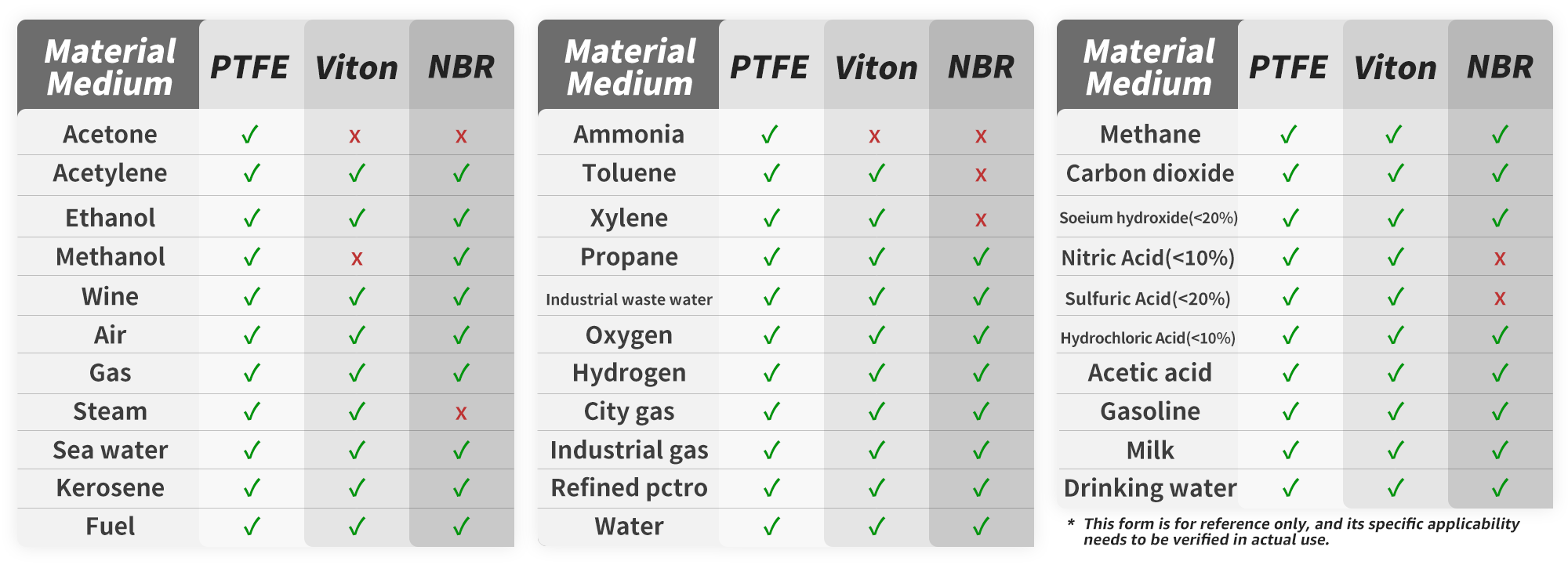
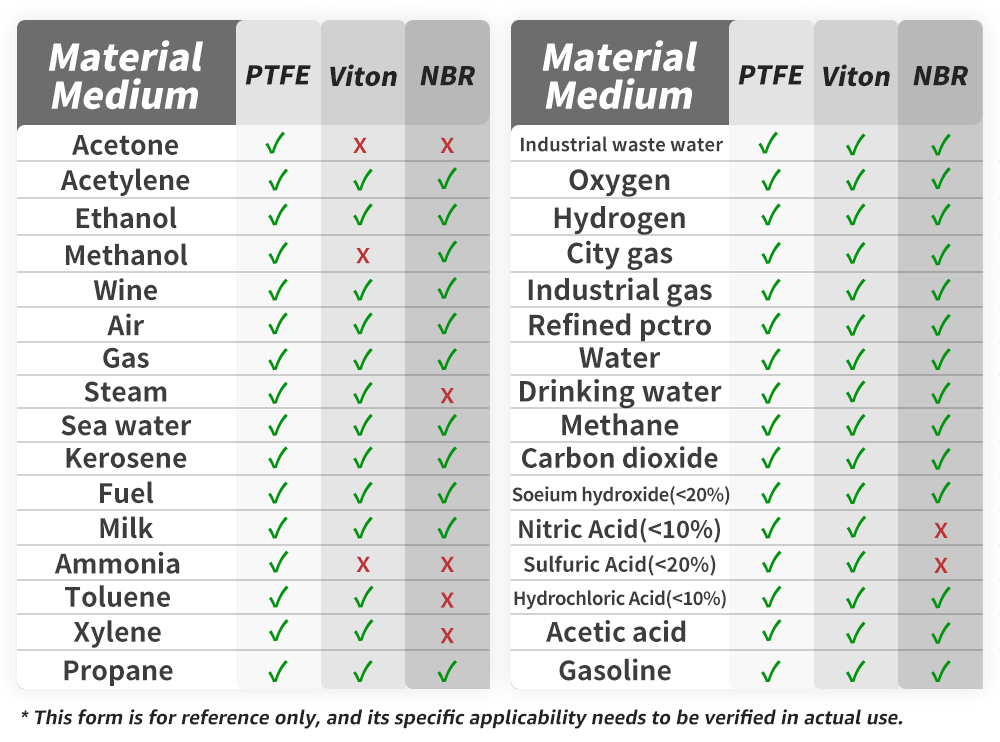
*Important: Check marks (√) denote conditional suitability only; crosses (×) indicate complete incompatibility.