


INTRODUCTION
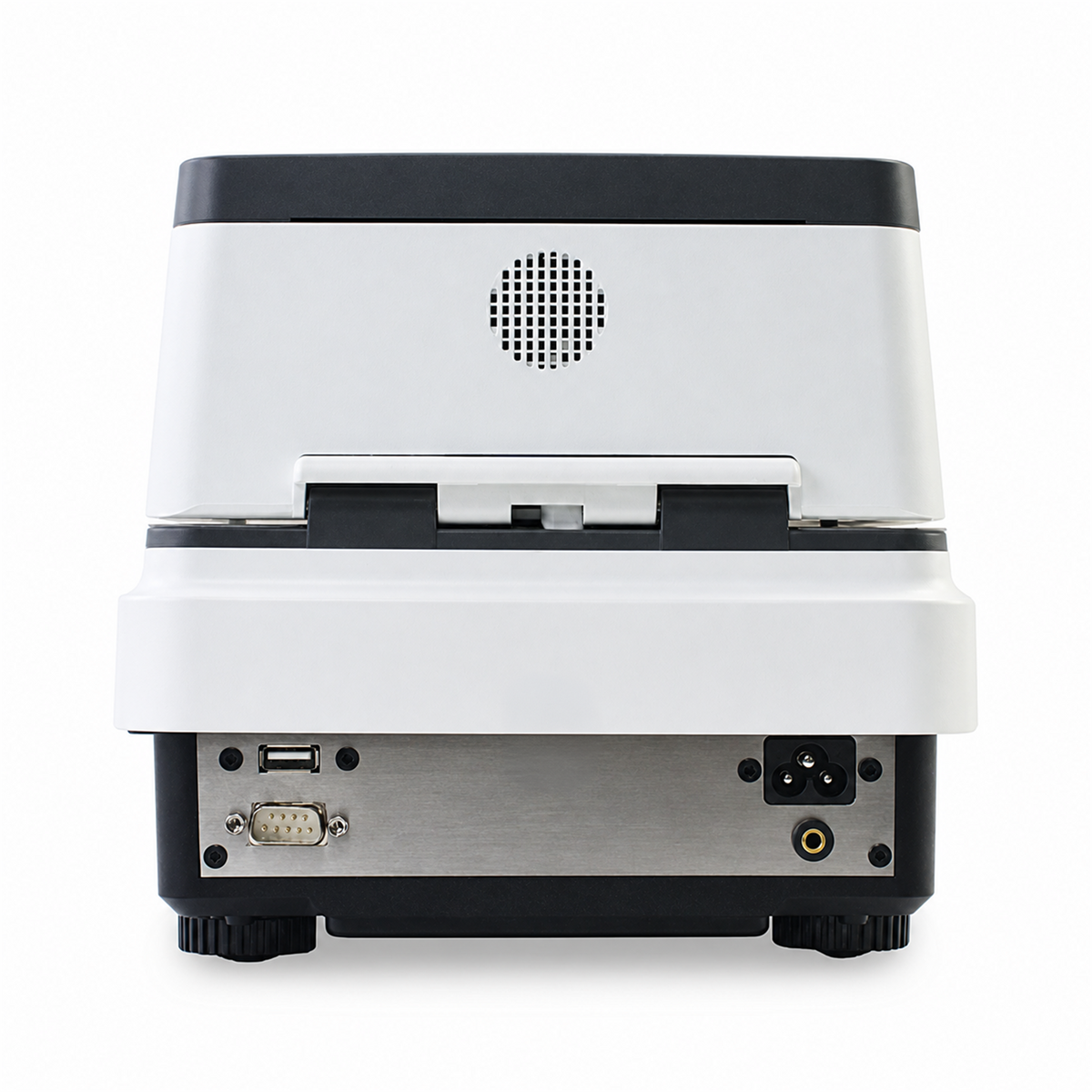
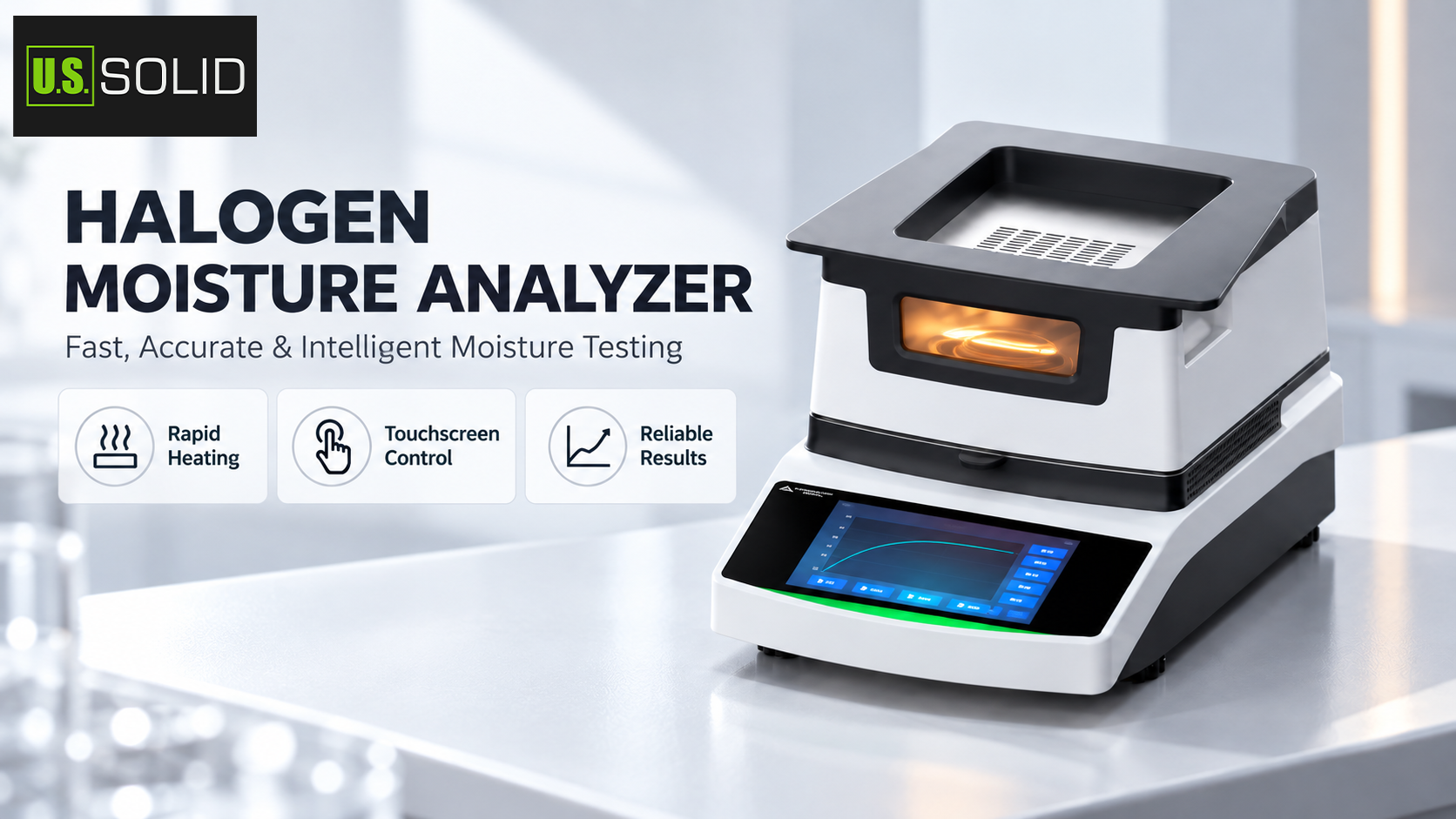
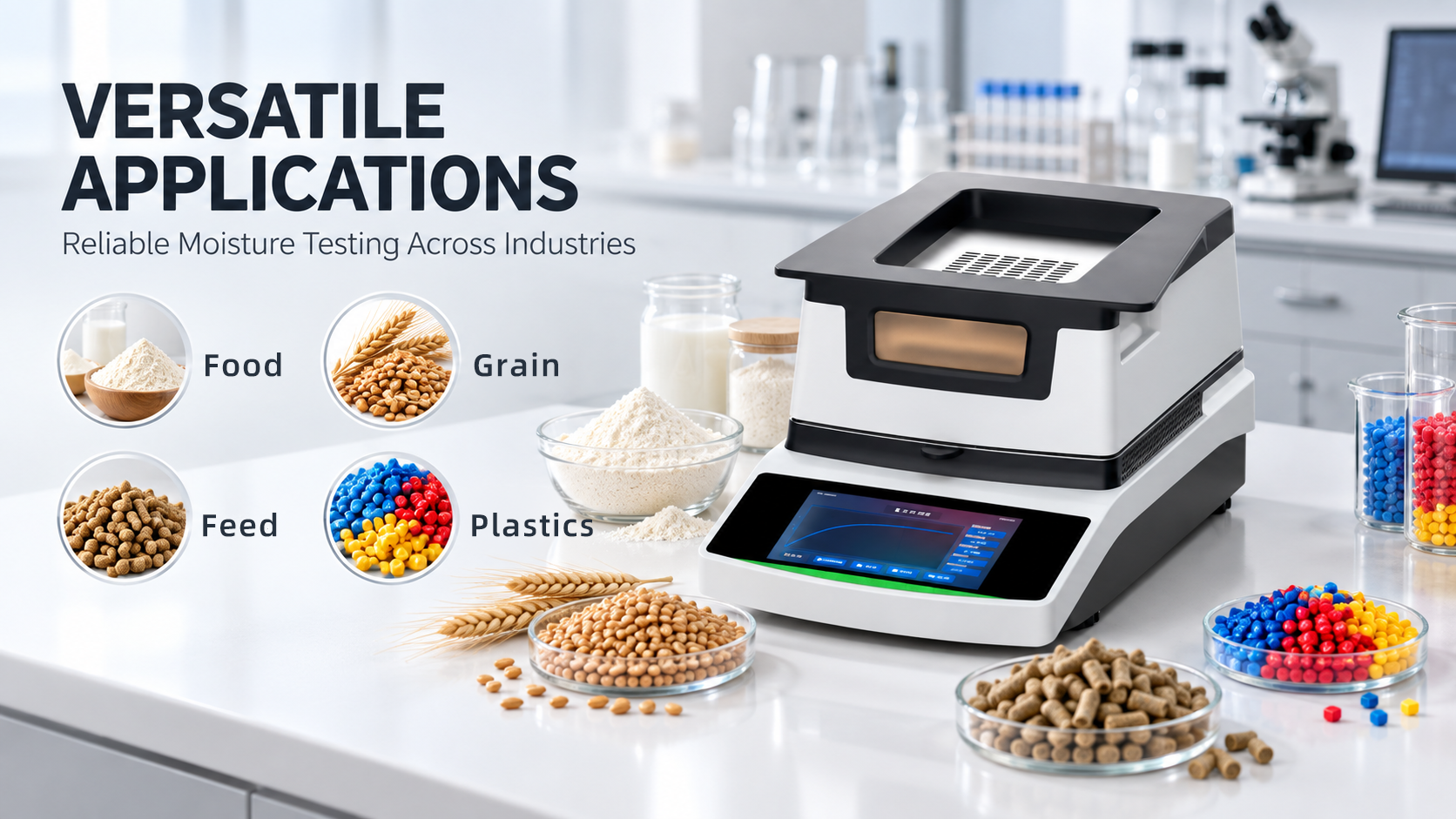
The U.S. Solid USS-VM00005-124G halogen moisture analyzer provides a 40 to 230 deg C drying range for loss-on-drying methods, including procedures with setpoints above 200 deg C. It combines sample heating and weighing to calculate moisture and solids content for food powders, grain, feed, plastic pellets and other suitable laboratory materials.
Review initial and final sample weights, dry basis and wet basis ratios, temperature and elapsed time. User permissions and custom sample identifiers help organize shared testing workflows. Select the temperature and endpoint for the material; mass loss can include volatile substances other than water, and readability describes display increments rather than measurement accuracy.
FEATURES
APPLICATIONS
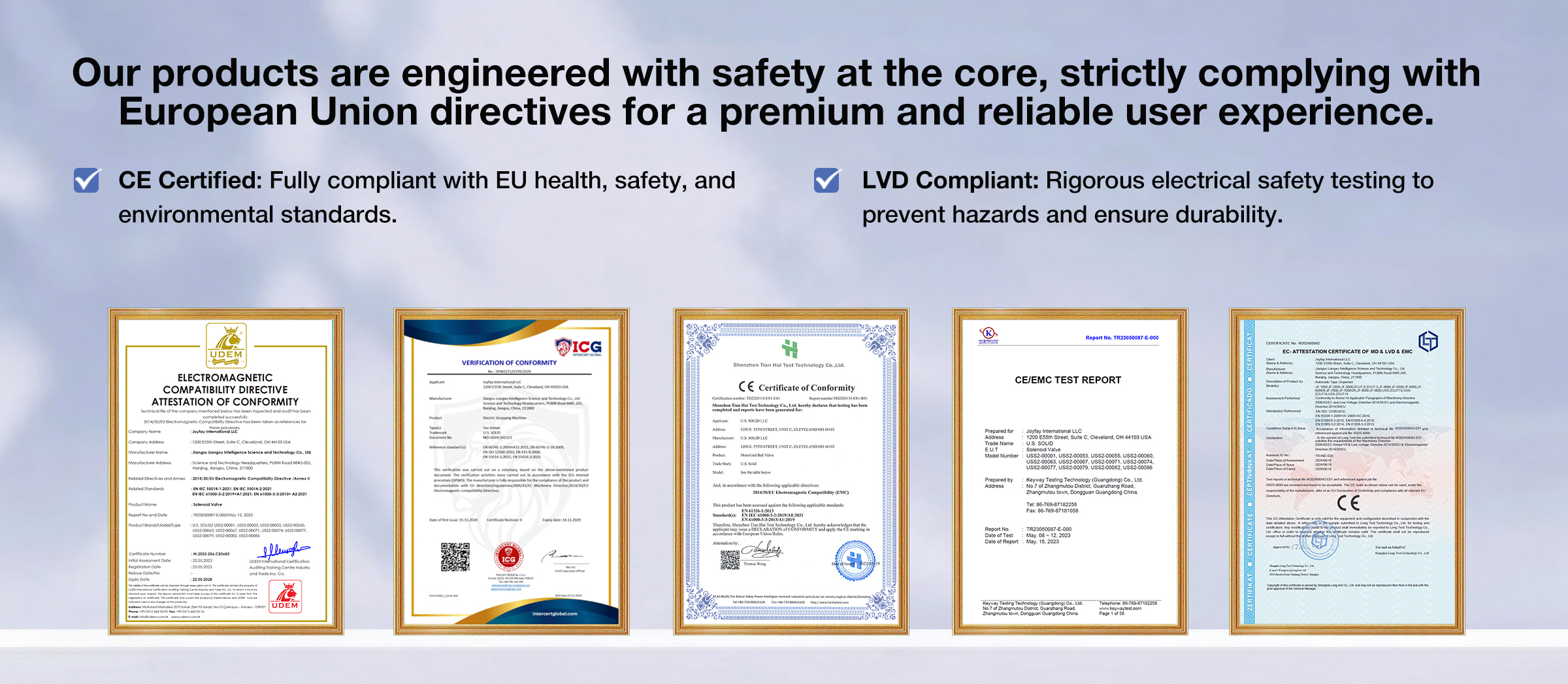
CE CERTIFICATION
SPECIFICATIONS
| Model | USS-VM00005-124G | Capacity | 124 g |
|---|---|---|---|
| Weighing Readability | 0.0001 g | Moisture Readability | 0.001% |
| Weighing Repeatability | Standard deviation ≤3d (d=0.0001 g) | Weighing Sensor | Electromagnetic force |
| Net Weight | 8.8 kg | Heating Source | 350 W halogen lamp |
| Temperature Setting Range | 40–230 °C (104–446 °F) | Temperature Resolution / Setting Step | 0.1 °C / 0.1 °C |
| Temperature Sensor / Control | PT-1000 / PID | Power Supply | 110 V AC, 60 Hz, grounded US plug |
| Maximum Instrument Input | 500 W | Display | 5 in color touchscreen |
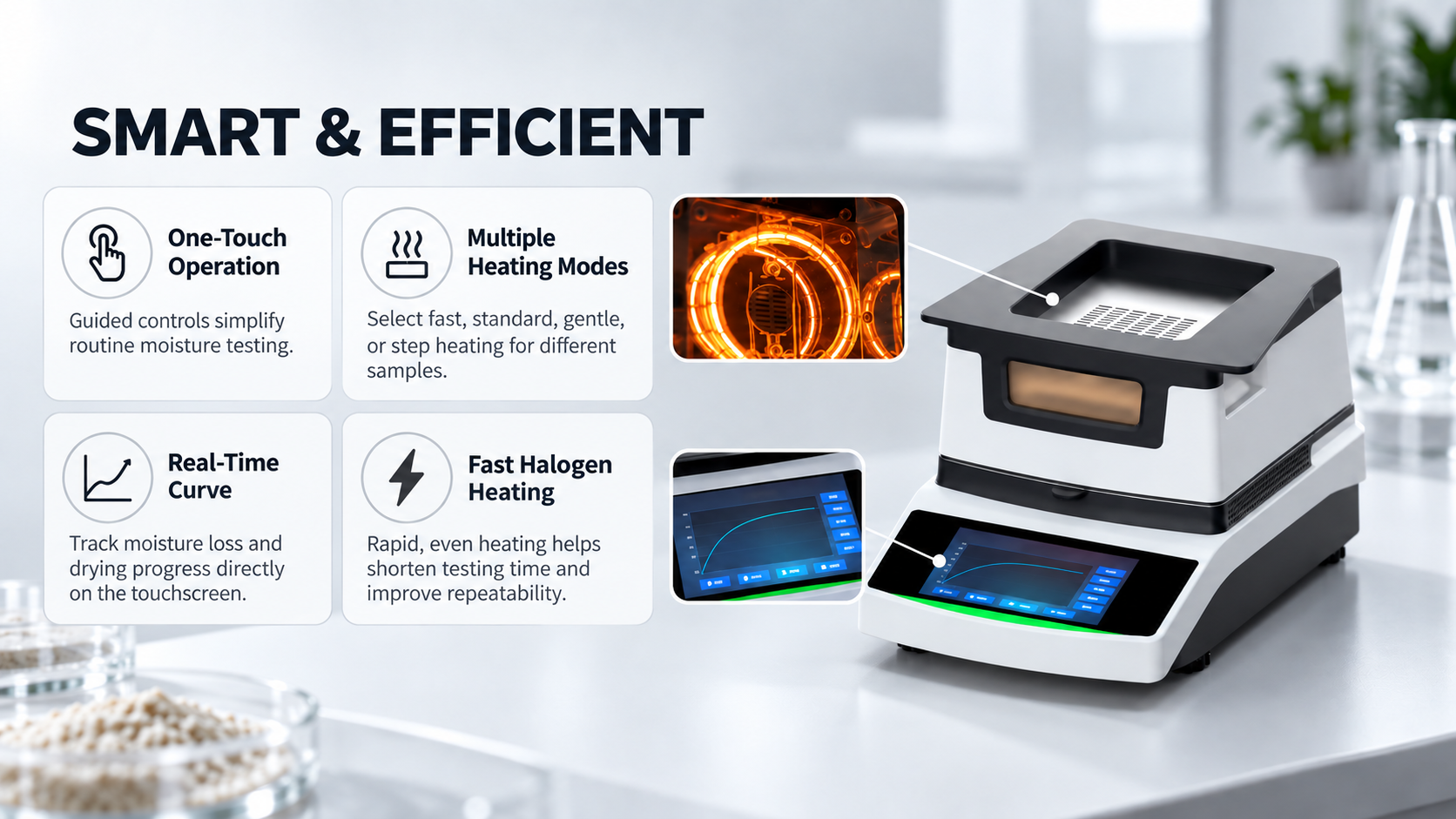
| Heating Programs | Standard, gentle, rapid, step | Stop Modes | Automatic, timed, manual |
| Timed Mode Duration | 1–99 min; 1 second setting increments | Method Storage | 96 custom methods |
| Result Storage | Up to 2004 completed records | USB Record Backup | Up to 2000 records per HTML export |
| Sample Pan Diameter | 90 mm | Heating Chamber Height | 24.5 mm |
| Interfaces | RS-232; USB record backup | Operating Temperature | 1–38 °C; ideally 18–25 °C |
| Dimensions | 23.4 × 35 × 20.5 cm | Common Series Features | Live drying curve; user permissions; custom sample identification |
FAQ
How should the analyzer be prepared before a measurement?
Place it on a firm, level bench, install a clean and dry sample pan, allow at least 30 minutes of powered warm-up, and check or calibrate the weighing system as needed.
Which heating mode should be selected?
Use standard heating for routine samples, gentle heating for heat-sensitive materials, rapid heating for suitable high-moisture samples, and step heating when the validated method requires staged drying.
Why can results vary between repeated tests?
Differences in sample uniformity, sample amount, preparation, starting chamber conditions, temperature, heating program, or endpoint can change the result. Keep these conditions consistent when comparing tests.
Does the displayed moisture result measure water only?
Not necessarily. The result is based on mass lost during heating and may include volatile substances other than water. Validate the method against an appropriate reference method when water-specific results are required.
How should the analyzer be cleaned?
Switch off, unplug, and allow the instrument to cool completely. Clean removable parts and exterior surfaces with a soft, lightly dampened lint-free cloth. Do not immerse the instrument, spray liquid onto it, or use abrasive cleaners or organic solvents.
WARNING
- Use only the specified 110 V AC, 60 Hz supply and a grounded US power cord. Do not operate the analyzer with damaged wiring or allow liquid to enter the housing or connectors.
- The heater, chamber, sample pan, and sample can remain hot after testing. Keep ventilation openings clear, maintain at least 1 m (39.4 in) of overhead clearance, and use suitable tools and heat protection.
- Do not test explosive materials or samples that may react dangerously. Flammable, solvent-containing, toxic, or corrosive samples require a documented safety assessment and suitable extraction before testing.
- Do not exceed the instrument capacity. Taring does not increase capacity, and a 100 g calibration weight must never be placed on a 62 g model.
- Switch off, unplug, and allow the analyzer to cool before cleaning, moving, or connecting accessories. Do not open the housing or attempt internal repairs.
OTHER MODELS
Explore Our Full Range of Halogen Moisture Analyzers
We offer a variety of models with different weighing capacities and readability levels to meet your testing requirements.
VIEW MODEL SELECTION TABLEINTRODUCTION
The U.S. Solid USS-VM00005-124G halogen moisture analyzer provides a 40 to 230 deg C drying range for loss-on-drying methods, including procedures with setpoints above 200 deg C. It combines sample heating and weighing to calculate moisture and solids content for food powders, grain, feed, plastic pellets and other suitable laboratory materials.
Review initial and final sample weights, dry basis and wet basis ratios, temperature and elapsed time. User permissions and custom sample identifiers help organize shared testing workflows. Select the temperature and endpoint for the material; mass loss can include volatile substances other than water, and readability describes display increments rather than measurement accuracy.
FEATURES
APPLICATIONS
CE CERTIFICATION
SPECIFICATIONS
| Model | USS-VM00005-124G | Capacity | 124 g |
|---|---|---|---|
| Weighing Readability | 0.0001 g | Moisture Readability | 0.001% |
| Weighing Repeatability | Standard deviation ≤3d (d=0.0001 g) | Weighing Sensor | Electromagnetic force |
| Net Weight | 8.8 kg | Heating Source | 350 W halogen lamp |
| Temperature Setting Range | 40–230 °C (104–446 °F) | Temperature Resolution / Setting Step | 0.1 °C / 0.1 °C |
| Temperature Sensor / Control | PT-1000 / PID | Power Supply | 110 V AC, 60 Hz, grounded US plug |
| Maximum Instrument Input | 500 W | Display | 5 in color touchscreen |
| Heating Programs | Standard, gentle, rapid, step | Stop Modes | Automatic, timed, manual |
| Timed Mode Duration | 1–99 min; 1 second setting increments | Method Storage | 96 custom methods |
| Result Storage | Up to 2004 completed records | USB Record Backup | Up to 2000 records per HTML export |
| Sample Pan Diameter | 90 mm | Heating Chamber Height | 24.5 mm |
| Interfaces | RS-232; USB record backup | Operating Temperature | 1–38 °C; ideally 18–25 °C |
| Dimensions | 23.4 × 35 × 20.5 cm | Common Series Features | Live drying curve; user permissions; custom sample identification |
FAQ
How should the analyzer be prepared before a measurement?
Place it on a firm, level bench, install a clean and dry sample pan, allow at least 30 minutes of powered warm-up, and check or calibrate the weighing system as needed.
Which heating mode should be selected?
Use standard heating for routine samples, gentle heating for heat-sensitive materials, rapid heating for suitable high-moisture samples, and step heating when the validated method requires staged drying.
Why can results vary between repeated tests?
Differences in sample uniformity, sample amount, preparation, starting chamber conditions, temperature, heating program, or endpoint can change the result. Keep these conditions consistent when comparing tests.
Does the displayed moisture result measure water only?
Not necessarily. The result is based on mass lost during heating and may include volatile substances other than water. Validate the method against an appropriate reference method when water-specific results are required.
How should the analyzer be cleaned?
Switch off, unplug, and allow the instrument to cool completely. Clean removable parts and exterior surfaces with a soft, lightly dampened lint-free cloth. Do not immerse the instrument, spray liquid onto it, or use abrasive cleaners or organic solvents.
WARNING
- Use only the specified 110 V AC, 60 Hz supply and a grounded US power cord. Do not operate the analyzer with damaged wiring or allow liquid to enter the housing or connectors.
- The heater, chamber, sample pan, and sample can remain hot after testing. Keep ventilation openings clear, maintain at least 1 m (39.4 in) of overhead clearance, and use suitable tools and heat protection.
- Do not test explosive materials or samples that may react dangerously. Flammable, solvent-containing, toxic, or corrosive samples require a documented safety assessment and suitable extraction before testing.
- Do not exceed the instrument capacity. Taring does not increase capacity, and a 100 g calibration weight must never be placed on a 62 g model.
- Switch off, unplug, and allow the analyzer to cool before cleaning, moving, or connecting accessories. Do not open the housing or attempt internal repairs.
OTHER MODELS
Explore Our Full Range of Halogen Moisture Analyzers
We offer a variety of models with different weighing capacities and readability levels to meet your testing requirements.
VIEW MODEL SELECTION TABLE