


Introduction
A solenoid valve provides reliable on/off control of fluids or gases in automated systems. Its compact electromechanical design ensures fast response and low power consumption.
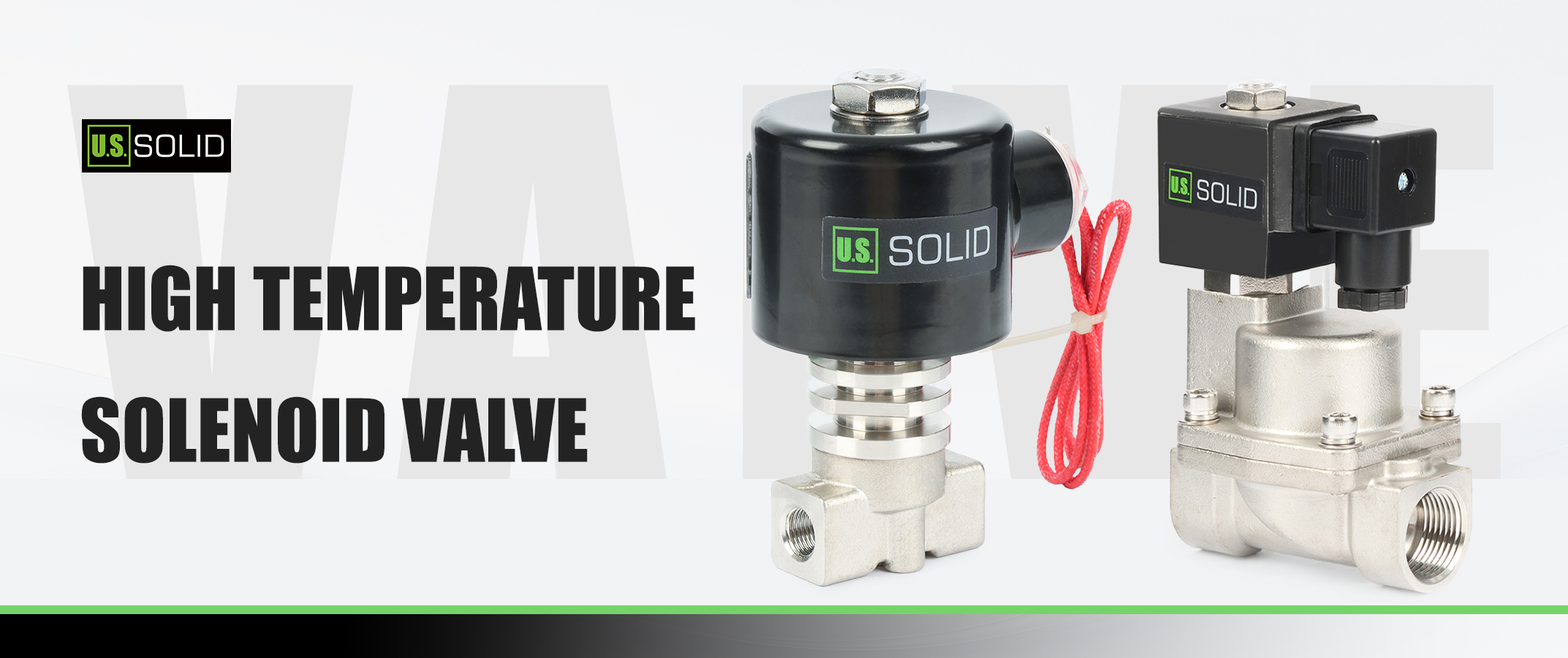
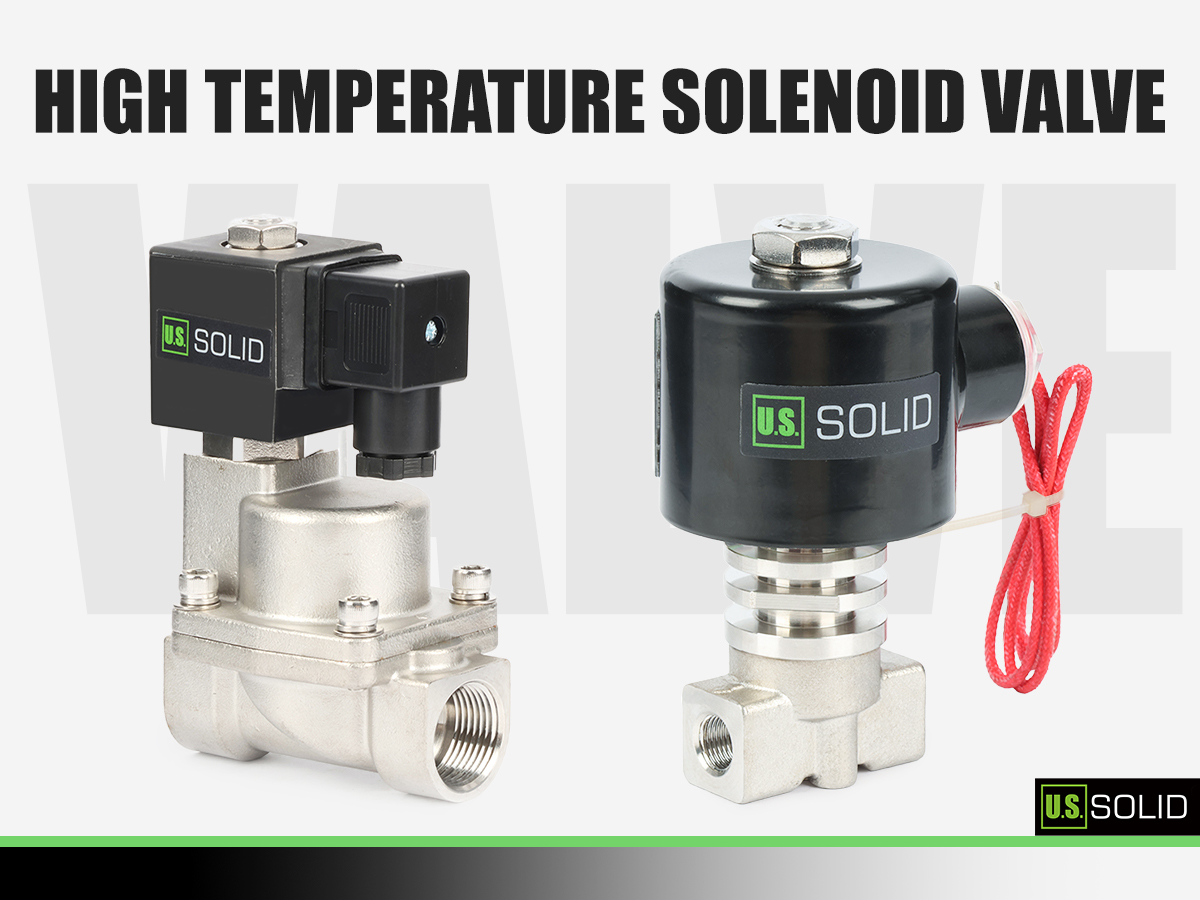
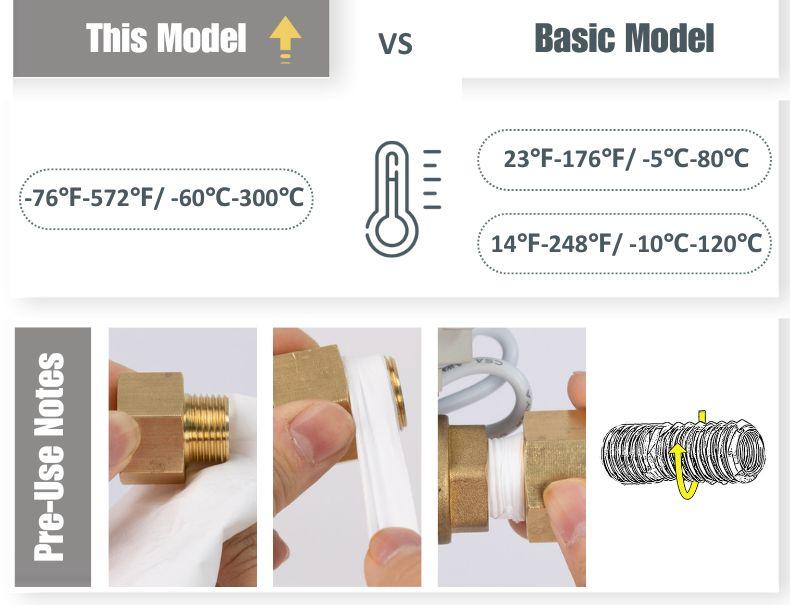
Our high-temperature series solenoid valves differ from standard models by utilizing special materials and designs to provide superior temperature resistance, capable of handling media including steam, hot water, and oil.
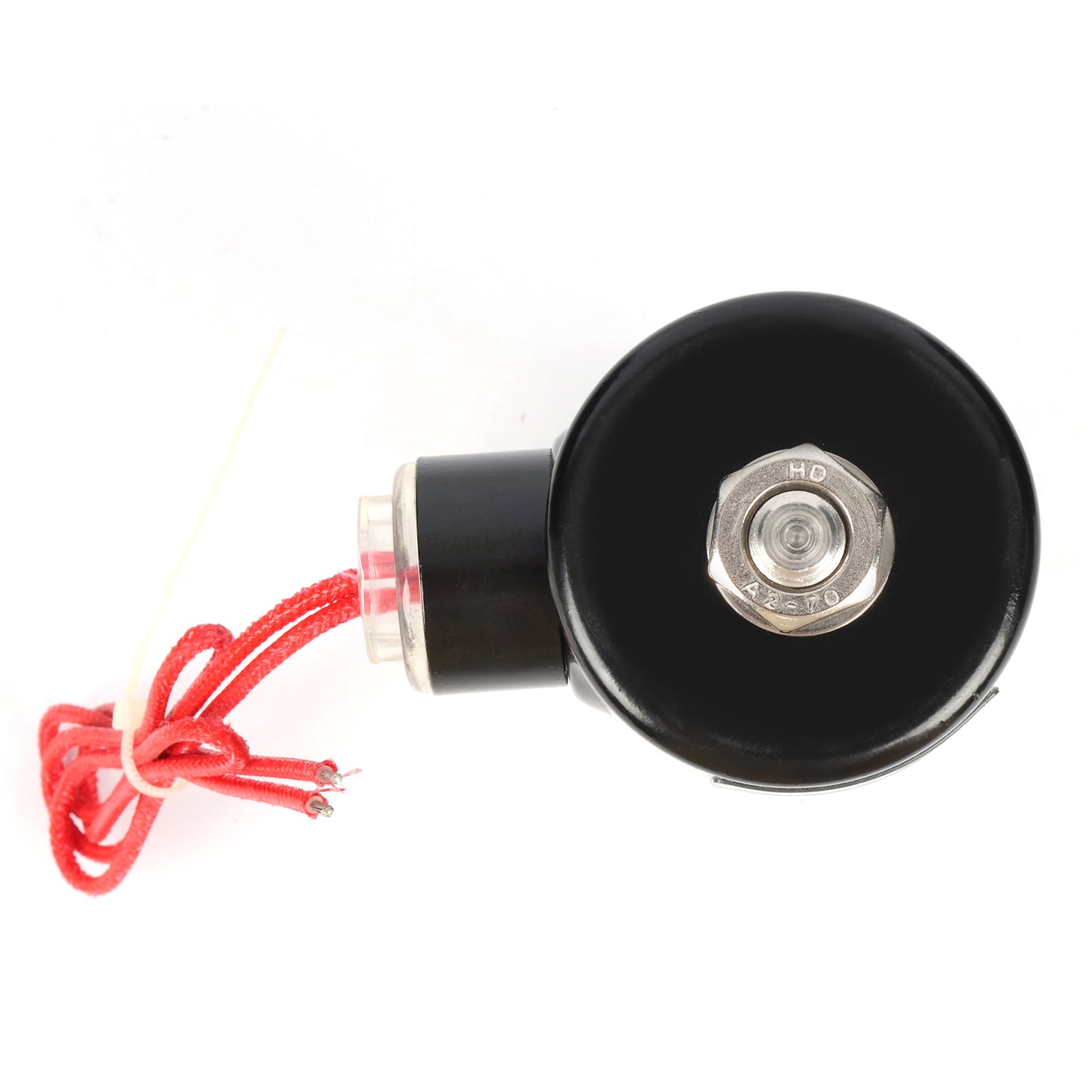
This high-temperature solenoid valve features a direct-acting 304 stainless steel body and PEEK seals, withstanding up to 572°F (300°C) and resisting corrosive media. Its zero-pressure start capability and low-power electromagnetic drive enable instant on/off control, while the compact design ensures precise low-flow regulation—ideal for lab, medical, and pneumatic systems requiring reliable high-temp performance.
Applications


Features
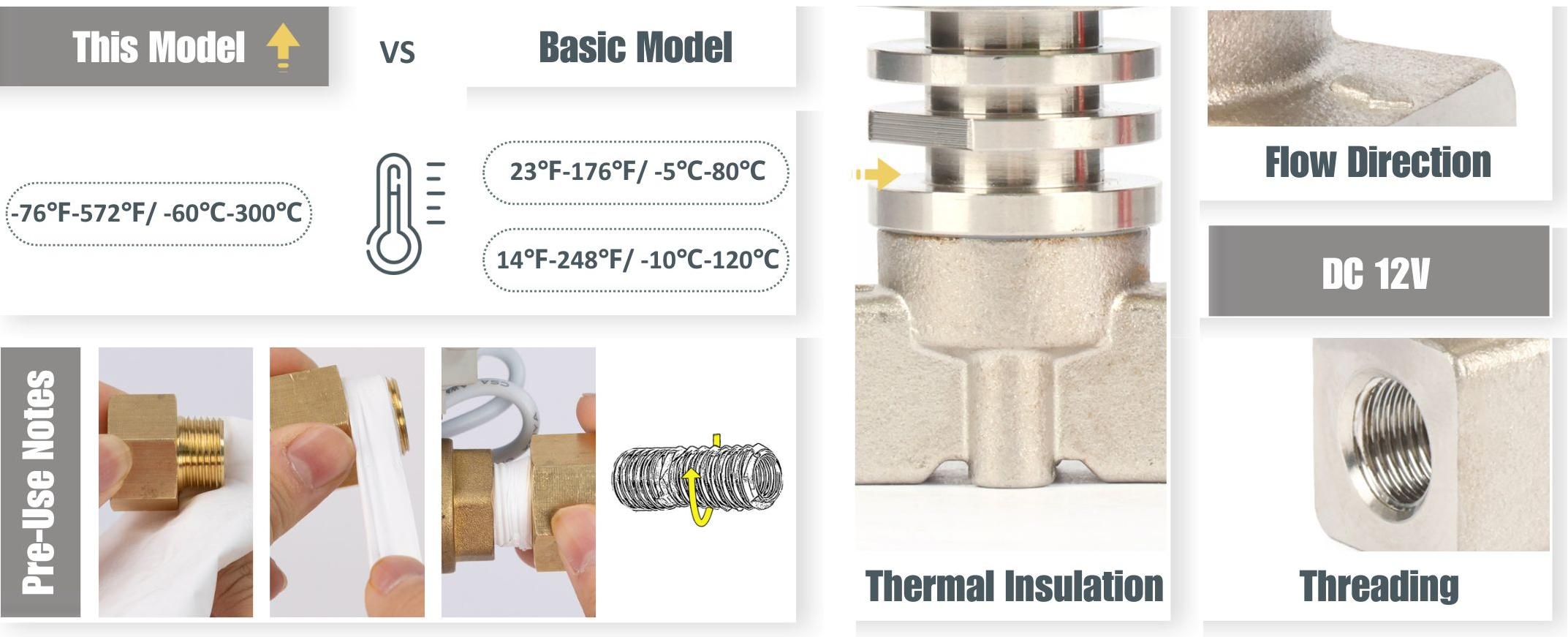
- High-Temperature(Medium Temp): Direct-acting structure withstands up to 572°F (300°C), operates stably under normal pressure. Suits high-temp clean media pipelines, prevents valve deformation/leakage.
- PEEK Seal: Resist strong acids/alkalis (except hydrofluoric acid) and high-temp steam, metal-comparable strength with low-friction high sealing for long-term clean media use.
- Zero-Pressure Start: Direct-acting drive requires no pilot pressure, starts at 0 pressure. Low-power electromagnetic coil response fits instant on/off automation control.
- Super Responsive: Using electromagnetic force, this valve has a very fast response, of only a couple of milliseconds. Compatible with automation equipment and low-voltage systems, low energy consumption, suitable for high-frequency operations.
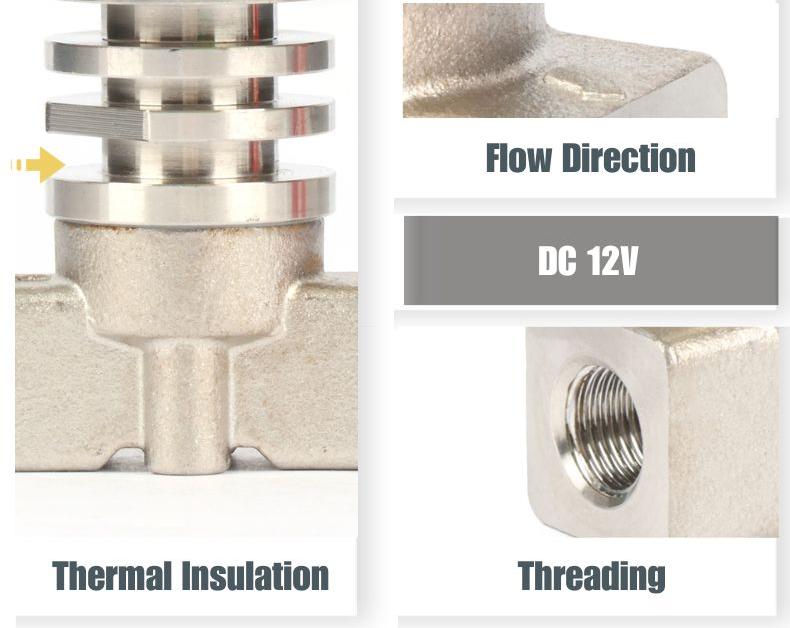
- NPT / G: NPT (National Pipe Taper) and G (BSPP) threading to accommodate diverse global specifications, ensuring a secure seal with teflon tape.
- Valve Body Material: Constructed from corrosion-resistant stainless steel. Suitable for steam and chemical media, corrosion-resistant and high-strength.
User Manual
To learn how to use this product, please refer to the user manual.
Technical Data
| Model | USS-HSV01016 | Port Size | 1/4" | ||
| Thread Type | NPT/G | Body Material | Stainless Steel | ||
| Operation Type | Direct-acting | Wiring Type | Wiring | ||
| Operation Mode | Normally Closed | Flow Aperture | 3 mm | ||
| Flow value | 2.7 Cv | Gasket/Diaphragm/Seal | PEEK | ||
| Operating Time | ≤1s | Rated Voltage | DC 12V | ||
| IP Rating | IP43 | Power | 13.3W | ||
| Medium Temperature | -76℉-572℉(-60℃-300℃) | Max Ambient Temperature | 131℉(55℃) | ||
| Operating Pressure | 0-13 bar(0-188 PSI) | Suitable Media | Air, water, diesel oil, kerosene, etc. | ||
| Gross Weight | 1.23 lbs | Package Dimensions | 4.53"x3.74"x2.36" | ||
*To view the full table on mobile, please swipe left or right on the screen.
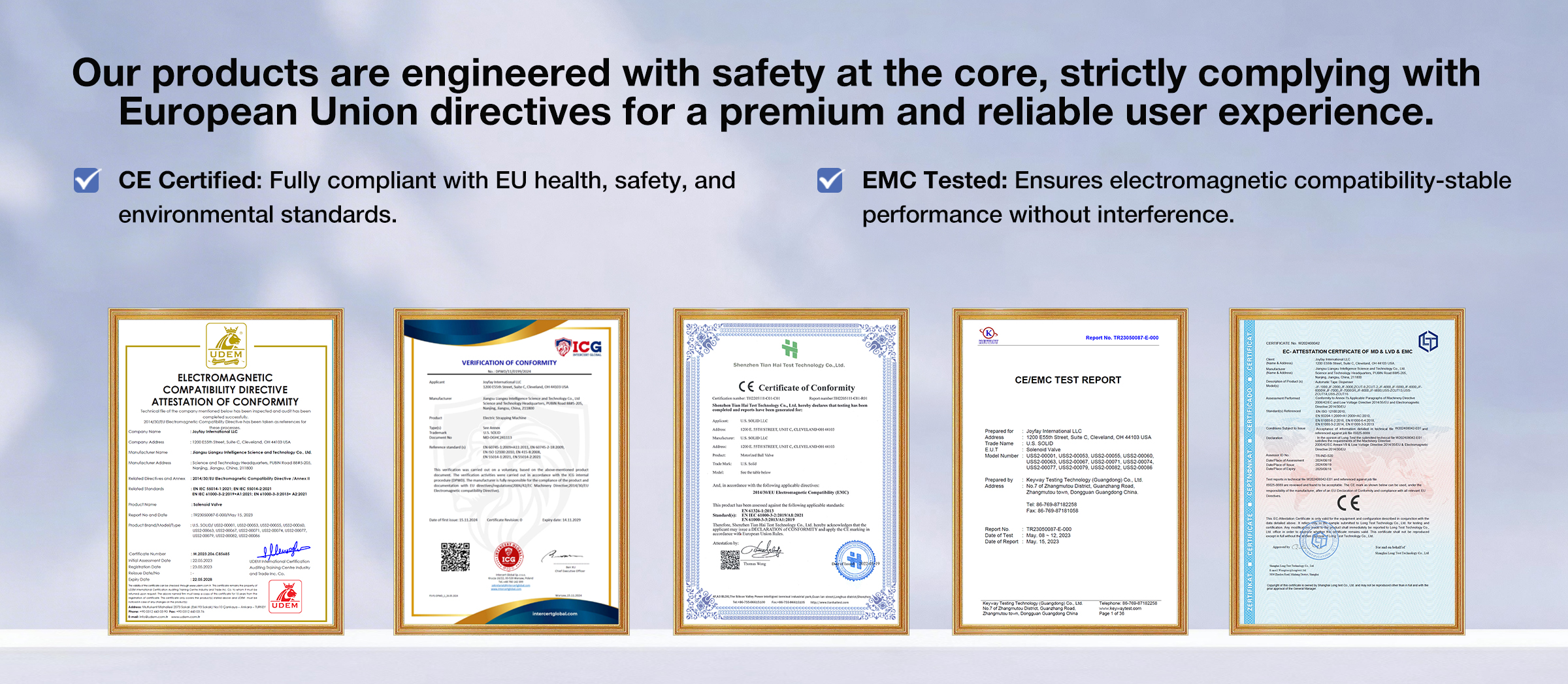
CE Certified Quality & Safety
FAQ
Problem 1: What is the sealing material of this high-temperature solenoid valve model?
PEEK seal, rated for temperatures up to 572°F (300°C).
Problem 2: Can these solenoid valves be used continuously for extended periods?
These valves should be energized for less than 8 hours.
Problem 3: How long should you wait between two consecutive five-hour uses of our solenoid valve?
It is recommended to allow about 20 minutes of cooling time between two consecutive 5-hour operating sessions. The exact cooling time may vary depending on ambient temperature and operating conditions.
Problem 4: How long does a solenoid valve last?
With a lifespan of over a million cycles when maintained properly, the actual longevity may vary depending on factors such as operating conditions, fluid type, pressure, temperature, and maintenance practices.
Problem 5: Can this be used for Drinking Water?
Yes. This solenoid valve is made of stainless steel, meeting drinking water standards. It is safe for potable water with no lead risk (unlike brass valves).
Problem 6: Can it be used outdoors?
The IP43-rated solenoid valves offer limited protection against water spray but are not suitable for permanent outdoor exposure. To ensure reliability and longevity, these valves should be installed in protected indoor environments only.
Problem 7: What does the arrow on the valve body indicate?
The arrow on the valve indicates the flow direction. Most U.S. Solid valves are unidirectional, meaning they are designed to operate correctly only when fluid flows in the direction of the arrow. If installed in the opposite direction, the valve may not function properly (e.g., a Normally Closed valve may fail to close).